The cost of digging out a cellar is usually between $75,000 and $200,000 for a typical old-house project, and difficult sites can run well beyond $250,000. That range sounds useless until you understand what is included. Excavating a shallow crawlspace and creating a basic storage basement is one job. Lowering the floor beneath an existing house, underpinning the walls, installing drainage, and finishing a legal living area is another.
I have managed both. The cheap-looking estimates were almost always missing something important. One bid covered excavation but not soil removal. Another included a concrete slab but no permanent drainage system. Pretty on the brochure, expensive in real life. Your first move is to decide whether you want storage, mechanical space, or a genuinely usable basement, then price the structure before thinking about paint and flooring.
What the excavation budget actually includes
For a rough 600-square-foot footprint, interior excavation commonly costs $15,000 to $35,000 when access is reasonable. That includes breaking and removing the existing slab or dirt, digging down, hauling soil, and preparing the base. Tight city lots, limited driveway access, and a house surrounded by mature landscaping can push hauling and labor much higher. Soil disposal alone can add $5,000 to $15,000 if trucks cannot park close to the house.
The structural work is the serious line item. If the existing foundation must be underpinned in sections, expect roughly $25,000 to $80,000 for a modest house, with complex masonry foundations costing more. Underpinning means supporting the existing footing in carefully sequenced sections while workers excavate below it. This is not a weekend project or a place to accept a verbal promise from a general handyman.
A new concrete floor may cost $8,000 to $18,000, depending on thickness, reinforcement, vapor protection, insulation, and access. Foundation repairs, new footings, or replacement wall sections can add another $10,000 to $40,000. When someone quotes the cost of digging out a cellar at $40,000, ask whether that number includes structural engineering, underpinning, concrete, haul-off, and inspections. Usually it does not.

Waterproofing and drainage are not optional extras
Digging lower creates a new relationship with groundwater. Water that never reached the old crawlspace can become a steady problem once the floor is below the surrounding soil. A proper system may include exterior excavation and membrane waterproofing, interior drainage channels, a sump basin, one or two pumps, battery backup, and a discharge route that does not dump water beside the foundation.
For interior drainage and a sump system, budget $8,000 to $20,000. Exterior waterproofing can run $15,000 to $40,000 because it requires digging around the house, removing hardscape, and repairing it afterward. In a wet site, a second pump and battery backup are sensible. Replacing a soaked finished basement is far more expensive than spending an extra $2,000 to $5,000 during construction.
I once reviewed a project where the owner accepted a low bid that used a painted waterproofing coating and no perimeter drain. The first heavy winter storm exposed the problem. The repair involved removing new drywall, cutting the slab, installing drainage, and rebuilding the walls. The original savings disappeared, and the owner lost months. The cheapest option is rarely the least expensive.
A realistic line-item budget
For a 600-square-foot cellar under an older detached home, a practical planning budget looks like this. Engineering, soil testing, and permits may total $5,000 to $15,000. Excavation and soil removal often land between $20,000 and $45,000. Underpinning and structural foundation work can cost $30,000 to $85,000. Drainage and waterproofing commonly add $12,000 to $35,000. A new slab, insulation, and basic rough plumbing may be another $15,000 to $30,000.
Mechanical work is easy to underestimate. A basement may need new electrical circuits, lighting, ventilation, a water heater relocation, or HVAC changes. Allow $10,000 to $30,000 before installing finishes. Stairs and an emergency escape window can add $8,000 to $25,000. Basic drywall, flooring, doors, and trim might cost $20,000 to $45,000. Taken together, the cost of digging out a cellar and making it dry, safe, and usable often reaches $120,000 to $250,000.
That is before surprises. I carry a 15 to 20 percent contingency on excavation beneath an occupied house. Old footings are rarely where the drawings say they are, and buried debris, oversized stones, abandoned drains, and weak soil show up only after the floor is open. If your budget cannot absorb a $25,000 surprise, the project is not ready to start.
What makes the price jump
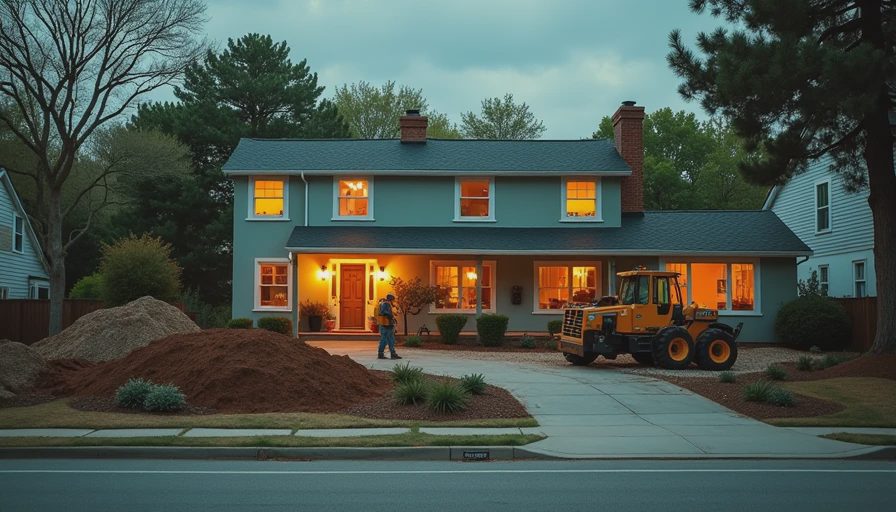
Access is one of the biggest variables. If a mini excavator can enter through a wide side yard, production improves and labor falls. If every bucket of soil must travel through the house, workers need more time, floors need protection, and hauling becomes painfully slow. A rear-lot home with no vehicle access can add $15,000 to $40,000 without changing the finished room at all.
The house's foundation type matters too. Concrete block, poured concrete, brick, and irregular stone foundations each require different temporary support and repair methods. A historic masonry wall may need an engineer familiar with older construction rather than a quick stamped detail copied from a new-build plan. Nearby additions, chimneys, porches, and neighboring foundations also affect excavation sequencing.
Local approvals can change the scope. A finished basement may need minimum ceiling height, emergency egress, smoke alarms, electrical updates, and permitted plumbing. Those requirements differ by jurisdiction, so do not design a bedroom around an unverified measurement. Get the building department's requirements in writing before ordering windows or framing materials.
How I would price the project now
Start with a measured survey, not a contractor's guess from a five-minute visit. Hire a structural engineer to document the existing foundation and specify the underpinning sequence. Get a geotechnical opinion when soil conditions or groundwater are unclear. Then ask at least three contractors for line-item bids that separate excavation, haul-off, structural support, waterproofing, drainage, concrete, mechanical work, permits, and finishes.
Read exclusions carefully. “Waterproofing allowance” is not the same as a complete drainage design. “Excavate to desired depth” does not tell you who pays if soil must be exported as special waste. Confirm whether the contractor carries workers' compensation, general liability coverage, and the right license for structural work. Get it in writing. Always.
The cost of digging out a cellar should be compared with alternatives. A modest rear addition, attic conversion, or detached office may deliver usable square footage for less disruption. If the cellar provides the only practical space and the foundation is suitable, the work can make sense. If you are chasing resale value alone, be cautious: buyers do not pay dollar for dollar for below-grade space, especially when ceiling height and daylight are limited.
The decision I would make on an old house
I would proceed only after confirming three things: the structure can be supported safely, water can be managed with a designed system, and the all-in budget still works with a 20 percent reserve. For many homes, that means planning on $150,000 to $225,000 rather than believing a $60,000 online estimate. The cost of digging out a cellar is not just the hole in the ground; it is the support, drainage, access, inspections, and repairs that make the hole part of the house.
Before requesting bids, measure the room, photograph every foundation wall, note where utilities enter, and check how trucks or equipment could reach the site. Give that information to an engineer and three qualified contractors. Ask each one to explain the excavation sequence in plain English. The contractor who cannot explain where the soil goes, how the house stays supported, and what happens when groundwater appears has not given you a usable price.


No comments yet — be the first to share a thought.