If you are staring at rotten sills, painted-shut sash, or windows that whistle every time the wind picks up, you have probably searched replacement windows vs new construction and gotten two completely different answers. One contractor says replacement inserts are faster and cheaper. Another says you need to tear everything out and install full-frame units. Both can be right. The wrong choice depends on what is hidden behind your existing window trim, not on whichever product has the nicer brochure.
I have managed enough old-house window work to know the window itself is only half the job. The other half is the opening, the flashing, the siding, the interior casing, and the damage nobody sees until the trim comes off. Pretty on the brochure, expensive in real life. Here is how I separate a sensible upgrade from a shortcut that creates another repair six months later.
What replacement windows actually replace
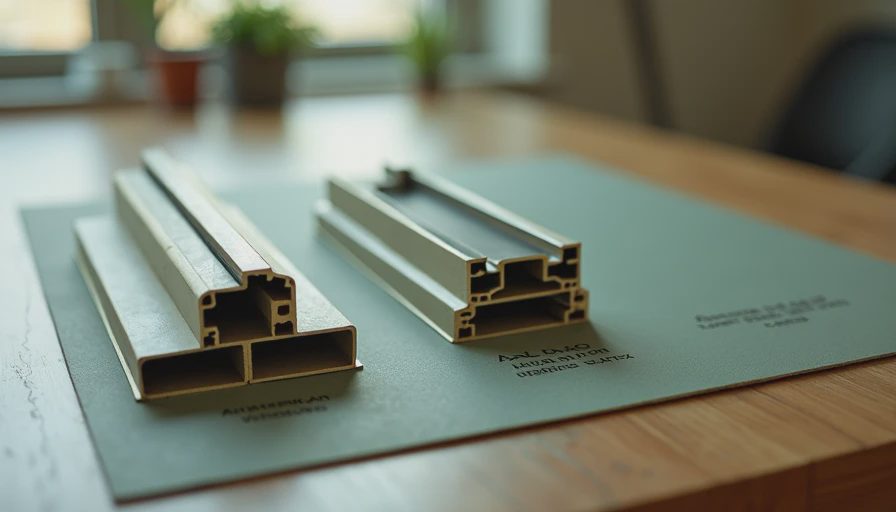
A replacement window, often called an insert or pocket window, fits inside the existing frame. The installer removes the sashes, balances, and stops, then leaves the original jamb and exterior frame in place. The new unit is usually smaller than the original opening, and the crew finishes it with interior stops or trim. In a straightforward opening, installation can take roughly one to two hours per window.
That is the appeal of replacement windows vs new construction. There is less demolition, less exterior siding disturbance, and less interior painting. A typical vinyl insert might cost $350 to $800 for the unit, with installed pricing commonly landing around $700 to $1,400 depending on access, trim, brand, and local labor. Fiberglass and wood-clad products push those numbers higher.
The catch is the old frame must be sound, square enough to accept the insert, and reasonably dry. A soft sill, cracked jamb, loose pulley pocket, or hidden water path makes that original frame a liability. You can install an efficient window into a rotten box and still own a rotten box.
What new-construction windows change
New-construction windows, also called full-frame windows, include an exterior nailing flange or a method for fastening the unit directly to the framed opening. The existing sash, jamb, stops, and usually the interior and exterior trim come out. The installer can inspect the rough opening, repair framing, replace damaged sheathing, and install flashing as part of the work.
This is the more complete option when the house has water damage, failing stucco or siding around the opening, major air leaks, or windows that were installed badly in the first place. It also makes sense during a siding replacement, addition, major exterior renovation, or gut remodel. The crew already has access, so the additional demolition is less painful.
Pricing varies widely, but a full-frame replacement often runs $1,200 to $3,000 per opening installed. A wood window with custom sizing, historic detailing, or difficult access can exceed $4,000. That price includes more than glass. It covers removal, disposal, framing repairs, flashing, exterior patching, interior casing work, and finish painting. Ask for those items in writing because a low bid often excludes three of them.
The practical difference in replacement windows vs new construction is not simply old window versus new window. It is limited access versus full access to the wall opening. That distinction matters more than the marketing language on the sample display.
The old-house problems that decide the answer
In a 1920s Craftsman, I expect uneven openings, layers of paint, wood trim worth saving, and at least one window that has leaked before. In a 1950s ranch, I look for aluminum frames, thin exterior walls, and previous remodels that buried problems under caulk. In both cases, I want the installer to probe the sill and lower jamb with an awl or screwdriver before recommending a product.
If the wood is firm and the exterior trim is valuable, inserts can be a reasonable answer. They preserve original casing and reduce the chance of damaging plaster. If the frame is twisted, water-stained, or missing proper flashing, full-frame work gives the crew a chance to correct the cause instead of covering the evidence.
Historic districts add another issue. Some neighborhoods require wood profiles, divided-light patterns, or approval before changing exterior appearance. A vinyl insert that passes an energy test can still fail the design review. Before ordering, photograph the existing window, measure the visible sash pattern, and ask the local planning department or historic commission about restrictions.
Energy savings are not the whole calculation
Homeowners often choose between replacement windows vs new construction by comparing U-factor and solar heat gain numbers. Those ratings matter, but installation quality can erase the benefit of an efficient unit. A badly sealed opening, missing sill pan, or gap behind the trim can create drafts around an otherwise excellent window.
For most houses, double-pane low-emissivity glass is the baseline. In a hot climate, a lower solar heat gain coefficient can reduce afternoon heat through west-facing glass. In a cold climate, insulation around the opening and airtight interior sealing deserve just as much attention. Argon-filled glass is common, but it does not repair a leaking wall.
I once watched a homeowner spend about $14,000 on premium replacement units while leaving three visibly damaged exterior sills untouched. The rooms felt better for a while, but the first heavy rain found the same path. The cheaper-looking full-frame repair would have been the more responsible expenditure. I have already paid for this lesson on projects where we protected the new finish before fixing the water source.
How to compare bids without getting fooled
Put every proposal on the same page. Ask whether the price includes removal of the existing frame, disposal, rough-opening repairs, flashing, insulation, interior casing, exterior trim, paint, permits, and final cleanup. A quote that says “window replacement” without describing the installation method is not a useful quote.
Ask each contractor to identify the product line, glass package, dimensions, warranty, and expected lead time. Renewal by Andersen, Marvin, Pella, Milgard, and Jeld-Wen all sell different product tiers, so the brand name alone does not create an apples-to-apples comparison. A midrange fiberglass window installed correctly can outperform a premium-looking unit installed with expanding foam and no sill protection.
For replacement windows vs new construction, request two prices when the condition is uncertain: an insert price and a full-frame price with allowances for framing repair. Then ask what discovery would trigger the allowance. For example, “replace up to four feet of damaged sill” is useful. “Repair as needed” is a blank check.
My decision rule and your next move
Choose an insert when the existing frame is dry, structurally sound, reasonably square, and worth preserving. Choose full-frame installation when you see rot, recurring leaks, significant air gaps, failed exterior trim, or a larger renovation already exposing the wall. Choose neither until the opening has been inspected if the contractor refuses to remove a stop or show you how water will drain.
The best answer in replacement windows vs new construction is often different across the same house. A dry second-floor window may take an insert. A first-floor opening over a damaged sill may need full-frame work. Do not force every window into one package merely because a salesperson wants a clean order.
Your concrete next step is simple: photograph every window inside and outside, mark stains and soft wood with painter’s tape, and get two written bids using the same scope. Read the installation details before comparing the grand totals. The cheapest option is rarely the least expensive, and windows are one renovation where the hidden work decides whether you paid once or paid twice.



No comments yet — be the first to share a thought.