The labor cost to replace boiler equipment is usually between $1,500 and $4,500 for a straightforward residential job. That is the number most homeowners actually need, because the boiler itself can add another $2,500 to $9,000. Complicated old-house projects can run higher when the contractor has to alter gas piping, chimney venting, electrical service, radiators, or buried heating lines.
I have managed enough renovation invoices to know that boiler replacement estimates are rarely as simple as “remove the old one and install the new one.” A clean swap in a utility room might take one long day. Moving the boiler, replacing corroded near-boiler piping, or converting from an atmospheric unit to a high-efficiency condensing model can turn that into a two- or three-day job. The cheapest option is rarely the least expensive once the crew starts finding problems.
What the labor cost to replace boiler usually includes
For a typical replacement in the same location, labor often covers shutting down and draining the heating system, disconnecting the old boiler, hauling it away, setting the new unit, reconnecting water and heating pipes, connecting fuel and electrical lines, filling the system, bleeding air, and testing controls. A contractor may also include startup documentation and basic thermostat reconnection.
In many markets, the labor cost to replace boiler equipment falls around $75 to $150 per technician-hour. A two-person crew working eight to twelve hours can therefore produce $1,200 to $3,600 in direct labor before supervision, overhead, disposal, and profit. Some companies quote a flat installation price instead of an hourly rate. That is usually better for the homeowner when the scope is clear because you are buying a finished result rather than an open-ended clock.
A basic cast-iron boiler replacement may need one technician and a helper. A wall-hung, high-efficiency boiler can require more setup because it has condensate drainage, intake and exhaust venting, low-water protection, and more sophisticated controls. Ask whether the quote includes system commissioning. Turning the boiler on is not the same as properly adjusting combustion and verifying safe operation.

Why old houses make the bill climb
Old heating systems often hide the expensive part. I once reviewed a replacement where the boiler itself was not the problem; the 1930s steel piping around it had been patched repeatedly. The first estimate looked reasonable, but the final invoice grew after several fittings failed during disassembly. That homeowner was not cheated. The original scope simply did not account for brittle, rusted connections.
The labor cost to replace boiler equipment can increase by $500 to $2,000 when the installer must rebuild near-boiler piping, add isolation valves, replace a circulator pump, or correct an unsafe flue connection. A chimney liner can add roughly $1,500 to $4,000, depending on the chimney and fuel type. Gas-line changes may add $300 to $1,500. Electrical upgrades, condensate pumps, expansion tanks, and air separators each create smaller charges that become meaningful together.
Location matters, too. A boiler in a cramped basement beneath a narrow stairway takes longer to remove than one beside a double door. If the old unit weighs several hundred pounds, ask how removal is handled. A crew carrying it through finished rooms may protect floors and walls, but that protection and extra labor belong somewhere in the estimate.
Comparing oil, gas, and high-efficiency installations
Fuel type changes the work. A conventional natural-gas boiler in the same location is often the simplest replacement. An oil boiler usually involves an oil tank connection, burner setup, filter replacement, and more cleanup. If the tank is old or leaking, tank work is separate from boiler installation and can become the largest surprise on the project.
High-efficiency gas boilers are not automatically cheaper to install. They can lower fuel use, but the labor cost to replace boiler equipment with a condensing model includes PVC or polypropylene venting, a condensate drain, neutralization equipment in some installations, and revised controls. Depending on the layout, those additions can add $1,000 to $3,500 in labor and materials.
Ask for two proposals if you are choosing between a standard and high-efficiency unit. Compare the complete installed price, not just the equipment label. A $3,000 boiler that needs $4,000 of piping and vent work is not cheaper than a $4,500 boiler with a $2,000 installation. Also ask about warranty labor. Equipment warranties often cover parts for a stated period, while labor coverage may be limited or handled separately by the installing contractor.
What a fair estimate should show
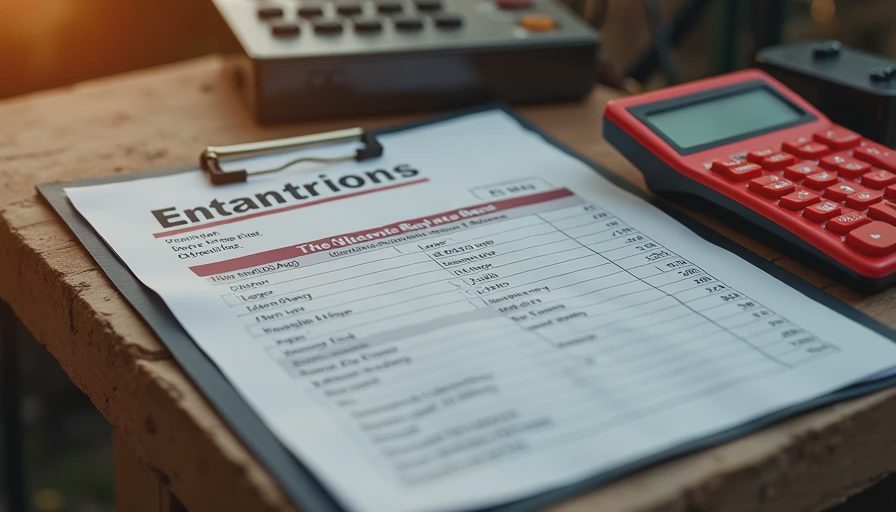
A useful proposal breaks out equipment, labor, disposal, permits, startup, and optional repairs. The labor cost to replace boiler equipment should not appear as one vague line beside “miscellaneous.” You need to know whether the contractor is including a new circulator, expansion tank, pressure relief valve, backflow preventer, thermostat, flue materials, and system cleaner.
The estimate should identify the boiler brand and model, output rating, fuel type, venting method, and proposed location. It should say who pulls the permit and who schedules the inspection. In many jurisdictions, fuel-burning appliance work requires a permit or inspection, although requirements differ by location. A contractor who says permits are unnecessary without explaining why is giving you a warning sign.
Get at least three written bids, but do not select by price alone. One bid at $6,800 might include new valves, permit fees, disposal, and a five-year labor warranty. Another at $5,900 might reuse questionable piping and charge extras by the hour. Ask each contractor to price the same base scope and list allowances for uncertain work. That makes the comparison less useless.
Ways to control labor without cutting corners
The best savings come from preparing the site, not from pressuring a crew to rush. Clear storage from around the boiler, remove fragile items from the access path, and make sure the technicians can reach the thermostat, electrical panel, gas shutoff, and chimney connection. If the contractor does not need to spend two hours moving boxes, that time can go toward testing the finished system.
Keep the boiler in the same location when the existing layout is safe and serviceable. Relocation can require new supply and return piping, venting, gas lines, drainage, electrical work, and wall repairs. It can make sense during a larger basement renovation, but it is rarely a good standalone project just to create a cleaner-looking mechanical room.
Do not skip permits, combustion testing, or pressure testing to save a few hundred dollars. A heating system failure can cause water damage, frozen pipes, or carbon monoxide exposure. A qualified heating contractor should explain the safety checks rather than treating them as optional extras.
My practical replacement checklist
Before signing, photograph the existing boiler, gauges, piping, vent connector, fuel connections, and thermostat. Write down the model number, approximate age, and any symptoms such as short cycling, leaks, banging, or uneven heat. Those details help contractors understand whether the problem is the boiler or the distribution system.
Then ask these questions: Is the proposed boiler sized from a heat-loss calculation or simply matched to the old oversized unit? Which parts of the existing piping will be reused? Are permits and inspections included? Who removes the old equipment? Is startup and combustion verification included? What happens if a valve or section of piping breaks during removal? When does warranty coverage begin?
The labor cost to replace boiler work is easier to control when those answers are written into the contract. Put allowances and exclusions in plain language. If the installer expects unknown piping repairs, establish an hourly rate and require approval before exceeding a stated amount.
A boiler replacement is not the place for a handshake and a one-line invoice. I have already paid for that lesson on renovation work, and the cheapest quote became the most expensive after the surprises arrived. Get two or three detailed proposals, compare the actual scope, and choose the contractor who can explain the work without hiding behind a low headline number.


No comments yet — be the first to share a thought.