
Budget roughly $8 to $20 or more per square foot of roof area for a professional metal roof installation. Prices vary widely by panel system, roof complexity, location, and the condition of what's underneath. On an old house, the panel price is only the opening number. Tear-off, damaged decking, custom flashing, and difficult access can move the final bill considerably.
For a straightforward replacement, exposed-fastener steel panels are worth comparing if the budget is tight and you accept more visible fasteners. Standing-seam steel is a good fit when you want concealed fasteners and a cleaner look. Metal shingles can suit a homeowner who wants a less industrial appearance, though the extra detailing can cost more. Ask each bidder for a complete installed price, not a material allowance dressed up as one.
What the installed price actually covers
Roofers often measure in squares: one roofing square equals 100 square feet of roof surface. That is not the same as 100 square feet of floor space. Pitch, overhangs, dormers, and waste all matter. A 1,500-square-foot house can have a substantially larger roof, so don't multiply the house's listing size by a roofing rate and call it a budget.
As an illustration, 2,000 square feet of roof area at $8 to $20 per square foot works out to $16,000 to $40,000 before any costs not included in the quoted rate. That's a planning range, not a bid or a promise that every system falls inside it. Copper, complicated architecture, local labor rates, and extensive repairs can push the number higher.
A useful proposal separates removal and disposal, deck preparation, underlayment, panels, flashing, ventilation work, permits, and cleanup. Ask whether gutters, skylight work, and replacement of plumbing vent boots are included. A low bid that leaves those items blank may simply be postponing the bill.

The old-house problems hiding under the shingles
Before metal roof installation starts, have the contractor inspect the attic and accessible roof edges for staining, sagging, previous patches, and signs of moisture. An inspection cannot reveal every bad board under an existing roof. It can, however, help you agree on a repair process before the crew opens anything up.
Old homes may have spaced board sheathing rather than a continuous deck. Whether it can stay depends on the panel system, its installation instructions, local requirements, and the condition and spacing of the boards. New sheathing may be necessary. Don't assume the old boards are automatically acceptable, or that they all need replacement without an inspection.
Put the price for unforeseen wood replacement in the contract: a per-sheet or per-board rate, what labor it includes, and how you'll approve additional work. Ask for photos before the damaged material is removed and after the repair. If the contractor can't tell you the final quantity until tear-off, that's reasonable. An open-ended repair charge without a rate or approval process isn't.
The details that keep water out
The panels are only part of metal roof installation. Water problems often begin where the roof changes direction or meets something else: valleys, chimneys, walls, skylights, and penetrations. Ask the roofer to explain the flashing at each of those locations and whether existing flashing will be replaced or reused.
Underlayment is the layer beneath the metal, not a substitute for properly installed flashing. The right product and coverage depend on the roof system, climate, slope, and local code. Some assemblies also need special treatment at eaves and valleys. The manufacturer's instructions should identify what belongs under the specific panels in your quote.
Panel attachment matters too. Exposed-fastener systems put fasteners through the panel surface; their washers and installation need attention over the life of the roof. Standing-seam systems generally conceal the panel fasteners and use clips or other attachment methods specified for the product. Neither label guarantees a watertight roof if the details are wrong.
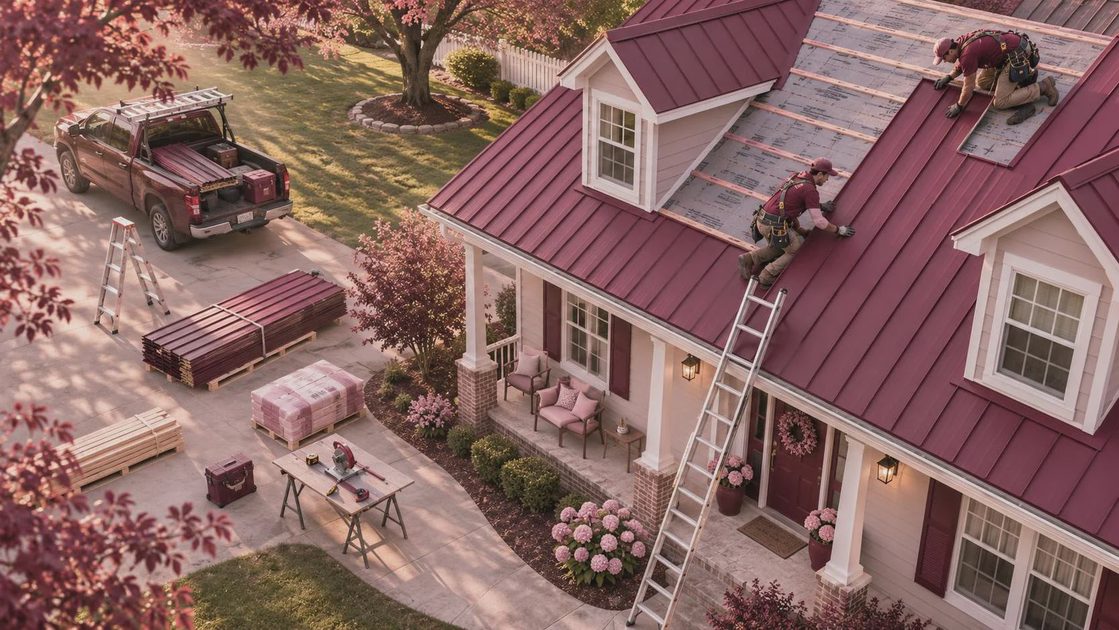
Metal expands and contracts with temperature. Long panel runs need the attachment and flashing details intended for that movement. Ask how the proposed system accommodates it, especially on a large uninterrupted roof plane. A vague promise to use more screws is not an answer.
Can the new roof go over the old one?
Sometimes, yes. Metal roof installation over existing roofing may be allowed, but it depends on local rules, the existing layers and their condition, and the metal manufacturer's approved assembly. A contractor also needs to address how the new roof will be fastened into suitable framing or decking.
The trade-off is visibility. Leaving the old roof in place can save removal and disposal, but it can also conceal damaged sheathing and make leak investigation harder. It may change the height of roof edges and affect flashing at walls and penetrations. Ask the bidder to explain those details in writing rather than treating an overlay as a universal shortcut.
If there are active leaks, soft areas, or signs of widespread deck trouble, get a thorough assessment before choosing an overlay. And check with the local building department about permits and inspection requirements; don't assume the roofer's preferred approach is automatically permitted.
How to compare contractors and avoid a change-order fight
Get at least three written proposals for the same scope. For metal roof installation, that means the same general panel type, tear-off plan, underlayment approach, flashing locations, and ventilation assumptions. If one contractor proposes a different assembly, ask why and price the difference instead of comparing only the bottom line.
Verify the contractor's license and insurance as required in your state. Ask who will install the roof, whether they have experience with the specified system, and who handles warranty claims. A panel finish warranty and a contractor's workmanship warranty cover different things; read their terms, exclusions, and transfer rules before signing.
I'd also ask how the crew will protect landscaping, collect metal scraps and fasteners, and keep an exposed roof dry if weather interrupts the job. Roof work is dangerous, and a detailed metal assembly is not where I'd recommend learning fall protection or flashing on a weekend.
Your next move: measure neither the price nor the roofer by the panel alone. Get one complete written scope, send it to competing bidders, and require the wood-repair rate and approval process in each response. Get it in writing. Always.

No comments yet — be the first to share a thought.