
The roof on an old house is rarely just a layer of shingles you can swap on a Saturday. It is a weather system, a structural component, and sometimes the reason your plaster ceiling is cracking. I have managed enough old-house projects to know that ignoring a roof usually turns a manageable repair into an interior renovation. The practical question is not whether to spend money. It is where to spend it first.
Start with the real roof problem
A contractor who says you need a complete replacement after five minutes on the driveway has not done enough investigation. The same goes for the inspector who calls every dark mark “active leakage.” Get into the attic if it is safe. Look for daylight, damp insulation, rusted nails, stained rafters, and blackened wood around plumbing vents. Then inspect the exterior for curled shingles, exposed fasteners, lifted flashing, soft sheathing, and valleys holding debris.
A stain on a ceiling does not always sit directly below the entry point. Water can travel along a rafter before appearing in a bedroom. I once chased a leak over a 1923 Craftsman porch for two days before finding a failed piece of flashing near the chimney, not above the visible damage. The repair cost $680. The ceiling patch and repaint added another $420. Replacing the entire roof would have been wasteful, but delaying that small repair would not have been.
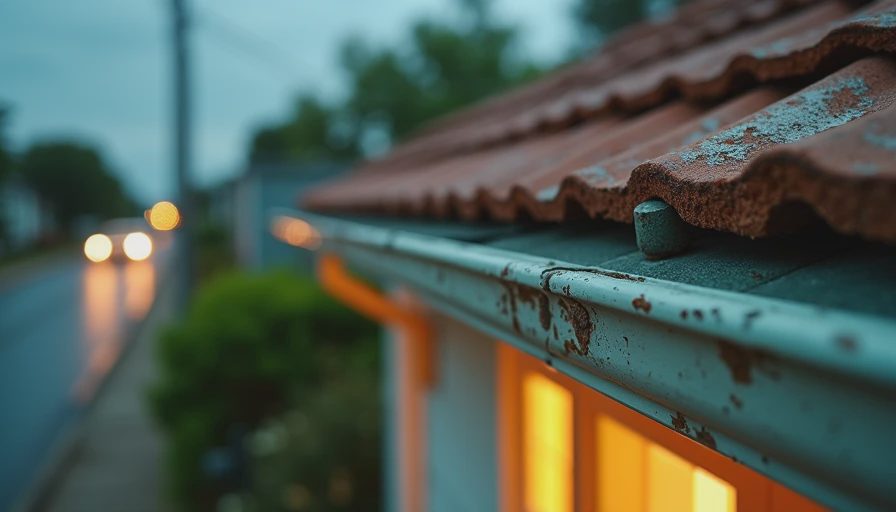
If the decking feels soft, the shingles are brittle across broad areas, and several details are failing, replacement is usually more sensible than patching. A few isolated leaks call for a targeted repair. The condition of the underlying wood matters more than the age printed on a shingle warranty.
What replacement actually costs
For a typical Southern California house, a straightforward asphalt shingle replacement often lands between $12,000 and $22,000, depending on size, pitch, access, tear-off layers, and local labor. A small bungalow with one layer and easy driveway access can come in below that range. A steep, complicated roof with multiple valleys, skylights, chimneys, and damaged decking can exceed $30,000 without anyone committing fraud.
The line items matter. Tear-off and disposal may run $2,000 to $5,000. New sheathing can add $3 to $8 per square foot in affected areas. Flashing, vents, drip edge, underlayment, and permits can represent several thousand dollars together. If a contractor gives you one round number with no scope, you do not have a bid; you have a guess.
Material choice changes the invoice. Basic three-tab shingles are less common now, while architectural asphalt products from manufacturers such as CertainTeed, GAF, and Owens Corning are typical midrange choices. Metal roofing costs more upfront, often $20,000 to $40,000 or more for a house, but can make sense when the structure and detailing support it. “Lifetime” marketing does not mean the installation is lifetime. A bad installer can ruin an expensive product in one season.
The old-house details that cause expensive trouble
Old houses rarely have clean, simple geometry. You may find a later addition tied into the original roof, a chimney that was abandoned but never properly flashed, or a low-slope section that should not receive the same material as the main plane. Those transitions deserve more attention than the brand name on the shingle bundle.
Ventilation is another common failure. Adding random vents does not automatically fix heat and moisture movement. The attic needs a workable intake and exhaust path, with soffit vents, ridge vents, or carefully selected alternatives. Blocking soffit ventilation with insulation is a frequent mistake. It costs little to make during installation and much more to correct later.
I also want the contractor to photograph the roof decking after tear-off. That creates a record before new materials hide the work. If the crew finds dry rot, ask for photos, measurements, and a unit price before authorizing additional sheathing. Get it in writing. Always.
How to compare contractor bids
Do not compare three totals and pick the middle number. Compare what each contractor intends to do. One bid might include a full tear-off, new metal flashing, synthetic underlayment, permit fees, magnetic cleanup, and a five-year workmanship warranty. Another might include only shingles over existing materials and a vague promise to repair flashing “as needed.” Those are different projects.
Ask each roofer how many layers will be removed, what happens if the decking is damaged, which flashing gets replaced, how plumbing penetrations are sealed, and who pulls the permit. Ask for proof of insurance and a written warranty. A manufacturer warranty generally covers product defects under its terms; it does not replace competent installation or pay for every leak.
The cheapest option is rarely the least expensive. A $4,000 gap can disappear quickly if the low bidder leaves old flashing, skips edge metal, or charges inflated change orders. I would rather pay a transparent contractor $1,500 more than gamble on a crew that cannot explain its scope.
When a repair is the right move
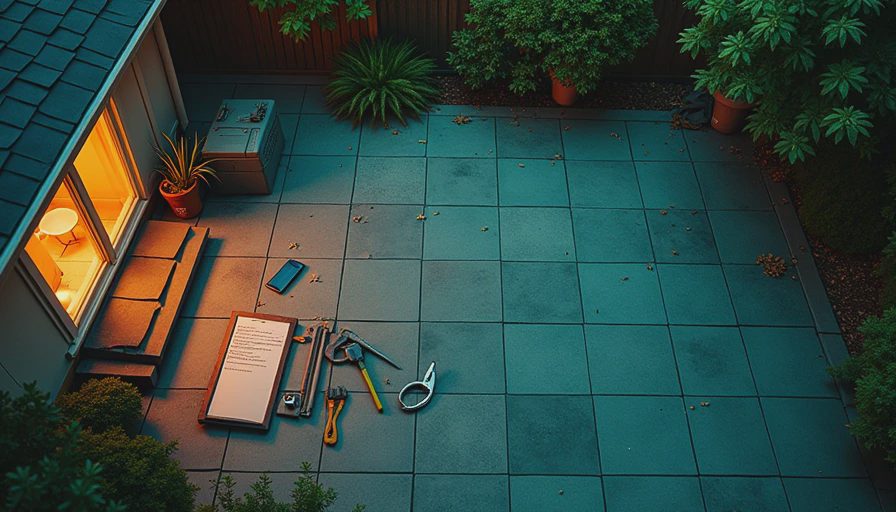
A repair is reasonable when the failure is localized and the surrounding materials still have useful life. Examples include replacing a damaged vent boot, resetting a small section of flashing, sealing a limited valley issue, or replacing wind-damaged shingles. Expect small service calls to cost roughly $300 to $1,200, with chimney work and difficult access pushing higher.
The repair should address the water path, not merely cover the visible hole. Roofing cement smeared over a cracked boot may stop water for a while, but it is not a durable solution. Ask what failed, what will be removed, and how the repair will be tested. Take photos before and after, especially if the house is being sold or an insurance claim is involved.
Insurance generally covers sudden damage from a covered event, such as wind or falling debris, but not gradual deterioration, poor maintenance, or an old roof reaching the end of its service life. Your deductible and policy language matter. Do not invent storm damage to make a worn-out roof qualify. That can create a much larger problem than paying for maintenance.
My practical roof replacement checklist
Before signing, walk the property with the contractor and confirm the exact material, color, underlayment, flashing plan, ventilation approach, cleanup method, payment schedule, permit responsibility, and warranty. I like progress payments tied to completed work rather than a large deposit followed by silence. Never pay the full balance before the final inspection and cleanup.
Plan for the unpleasant discoveries. On an old house, I would reserve at least 10% to 15% of the contract for concealed decking, fascia, trim, or ventilation work. That is not permission for unlimited extras. It is a budget buffer with documentation requirements.
Protect the inside while work is underway. Move fragile items away from exterior walls, cover attic storage, and expect vibration. Have the crew use tarps and magnetic sweepers, but still inspect driveways, garden beds, and play areas for fasteners. With children around, I treat every dropped nail as a management failure, not bad luck.
The right next move is simple: take clear attic and exterior photos, then get two detailed inspections from established contractors. A sound roof bid should explain the existing problem, the proposed repair, and every likely allowance before anyone removes a shingle.

No comments yet — be the first to share a thought.