New sump pump cost usually lands between $900 and $2,500 for a normal replacement with professional installation. A basic pump in an accessible pit can come in lower, while a finished basement, backup system, new discharge piping, or electrical work can push the invoice past $3,000. I have seen both ends of that range, and the cheap quote is not automatically the bargain.
A sump pump is one of those basement systems nobody notices until it stops working. Then the carpet is wet, the storage boxes are ruined, and every contractor in town knows you need help immediately. This is what I would budget before calling anyone, based on old-house projects where the basement never quite behaves like the drawing suggested.
The real price breakdown
For a straightforward replacement, expect the pump itself to cost roughly $150 to $500. A common 1/3-horsepower cast-iron pump from Zoeller or Liberty is more expensive than a lightweight plastic utility pump, but it is also built for regular cycling and a damp pit. Labor commonly runs $300 to $800, depending on access, local rates, and whether the existing plumbing can be reused.
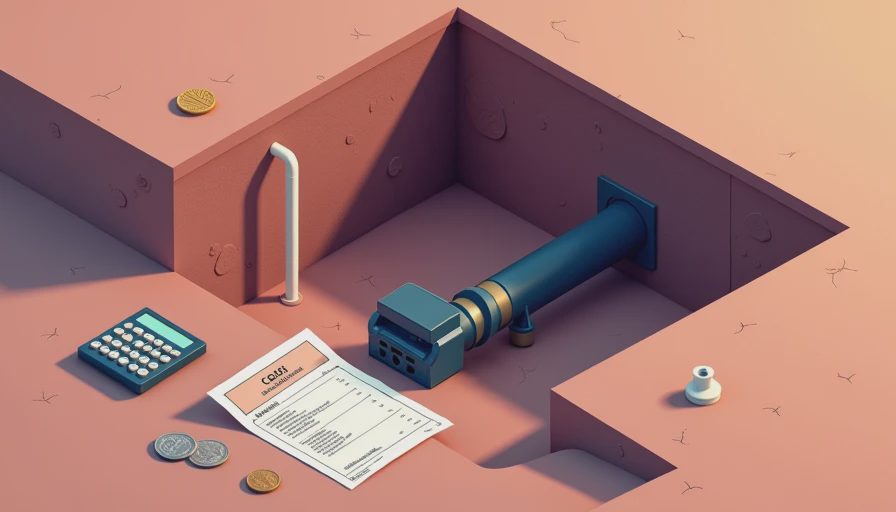
The rest of the bill comes from parts that are easy to ignore in an online price comparison. A check valve may cost $20 to $60. New PVC discharge pipe and fittings can add $50 to $200. A replacement sump basin, sealed lid, or cover can add another $100 to $400. If the old pump is hardwired, the electrician portion might run $150 to $500. That is how a $250 product becomes a $1,400 installed job without anyone necessarily overcharging you.
My practical budget for a standard old-house replacement is $1,200 to $1,800. That gives enough room for a decent pump, new valve, minor pipe repairs, and labor. New sump pump cost becomes a different conversation when the contractor has to rebuild the whole discharge route.
What makes the estimate jump
The biggest cost increase is usually not the pump. It is water management around the pump. If the discharge pipe ends beside the foundation, water can return to the basement or saturate the soil next to the footing. A contractor may recommend extending the line, adding an air gap, or installing a buried discharge route. Depending on distance and digging, that work can cost $500 to $2,000.
Electrical problems are another common surprise. A sump pump should have a properly grounded outlet, and many basements benefit from a dedicated circuit. If the existing outlet is loose, ungrounded, or located where splashing can reach it, correction could cost $200 to $700. Do not solve that by running a bargain extension cord across the floor. I have already paid for this lesson on a rental renovation, where a temporary cord became a permanent hazard.
A narrow or damaged pit also matters. Some old homes have a shallow crock that fills quickly, leaving no room for a reliable float switch. Enlarging the basin may involve breaking concrete, hauling debris, and patching the floor. That portion alone can add $800 to $2,500. New sump pump cost is manageable when the basin is sound; basin work is where the old-house budget gets ugly.
Choosing the pump without buying the wrong one
Pump size should match the height and distance the water must travel, not the size printed in the biggest letters on the box. A 1/3-horsepower pump works for many moderate basements. A 1/2-horsepower model may be appropriate for a deeper pit, a higher discharge point, or heavier inflow. Bigger is not always better. An oversized pump can cycle rapidly if the pit is small, and frequent starts shorten equipment life.
For normal residential work, I generally prefer a reputable cast-iron pump with a mechanical float and a replaceable check valve. Zoeller M53, Liberty 257, and comparable models are familiar choices among plumbers. A battery backup from Basement Watchdog, Liberty, or a similar manufacturer can add $400 to $1,200 installed. That price buys time during a power outage, but it does not replace the primary pump.
A combination system with a primary and backup pump often costs $1,500 to $3,000. It makes more sense in a finished basement, a low-lying property, or a house where a flooded room would destroy expensive equipment. For an unfinished storage basement, a good primary pump plus a water alarm may be the more sensible use of money.
Replacement, repair, or a complete system
A pump that hums but does not move water may have a blocked impeller, failed check valve, or jammed float. Cleaning the pit and replacing a valve can cost $100 to $300. If the motor is old, noisy, or repeatedly trips the breaker, replacement is usually the better decision. Paying $250 to repair a pump that is already near the end of its service life is how a homeowner pays twice.
The age of the system matters more than the paint on the housing. A pump that has operated for years in a dirty pit has endured thousands of starts. Ask the installer to test the float, inspect the impeller, verify the discharge slope, and check whether water flows away from the foundation. A replacement quote that covers only “remove and install pump” leaves too many questions unanswered.
Get the new sump pump cost in writing with separate lines for the pump, valve, pipe, electrical work, basin work, disposal, and warranty. If the quote says “standard installation” but your basement has a finished floor and no nearby outlet, it is not detailed enough.

How to compare two contractor quotes
Start by comparing what each contractor intends to leave in place. One quote may reuse an aging check valve and brittle PVC, while another replaces both. The second quote can be $150 higher and still be the better value. Ask whether the price includes testing under real flow, cleanup, and removal of the old equipment.
Then ask three direct questions. Where does the discharge water go? What happens if the power fails? What part of the existing installation is likely to need replacement once it is opened? A contractor who cannot explain those items clearly is not giving you a useful number.
For a basic replacement, I would be suspicious of a quote below $600 unless you are supplying the pump and the work is genuinely simple. I would also question a $4,000 quote for a single accessible pump unless it includes concrete demolition, a new basin, extensive electrical work, or a long buried discharge line. New sump pump cost should follow the physical work, not a dramatic sales pitch.
Ways to reduce the final bill
Buy access, not necessarily the cheapest equipment. Clear boxes, shelving, and stored furniture from around the pit before the contractor arrives. That can save an hour of labor and prevents damaged belongings. Photograph the existing setup while it is still working so you know where the pipe runs and what the normal water level looks like.
Schedule the work before the next major storm if the pump is noisy or unreliable. Emergency calls commonly cost more because of after-hours labor and limited product choices. Ask for a written estimate from at least two licensed, insured contractors, and confirm the warranty on both labor and equipment.
You can often handle simple monitoring yourself. Pour a bucket of water into the pit, watch the float rise, and confirm that the pump starts and the discharge exits away from the foundation. Test any battery backup according to its instructions. Do not open electrical components or alter a circuit unless you are qualified.
My working answer on new sump pump cost is $1,200 to $1,800 for a solid standard replacement, $1,800 to $3,000 for a primary-and-backup setup, and more when the basin, electrical service, or discharge route needs rebuilding. Your next move is simple: photograph the pump and pit, measure where the discharge ends, and get two itemized quotes before the basement forces the decision.


No comments yet — be the first to share a thought.