
A drain cleanout is the capped access point that lets you reach a home's main drain line without tearing up floors or digging up the yard. In an old house, finding it can save you a miserable Saturday and several hundred dollars. I learned that lesson on a 1923 Pasadena bungalow where the kitchen sink, shower, and washing machine all backed up at once. I skipped the cleanout because I did not know where it was and paid for unnecessary exploratory work.
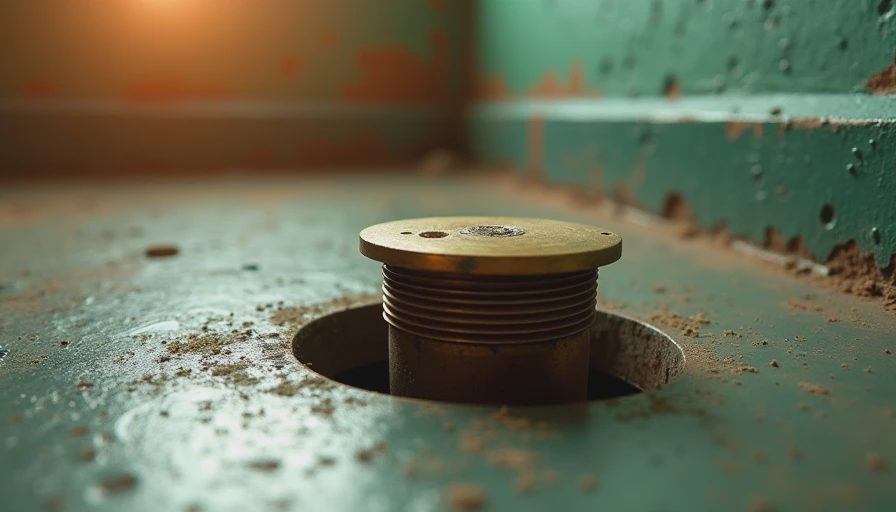
The cap is usually a round, threaded fitting made from cast iron, galvanized steel, PVC, or ABS. It may be outside near the foundation, in a basement, in a crawl space, or buried under soil and landscaping. Some homes have more than one. The practical job is simple: it gives a plumber a straight path into the drain so a cable or camera can reach the blockage.
Find the drain cleanout before there is a backup
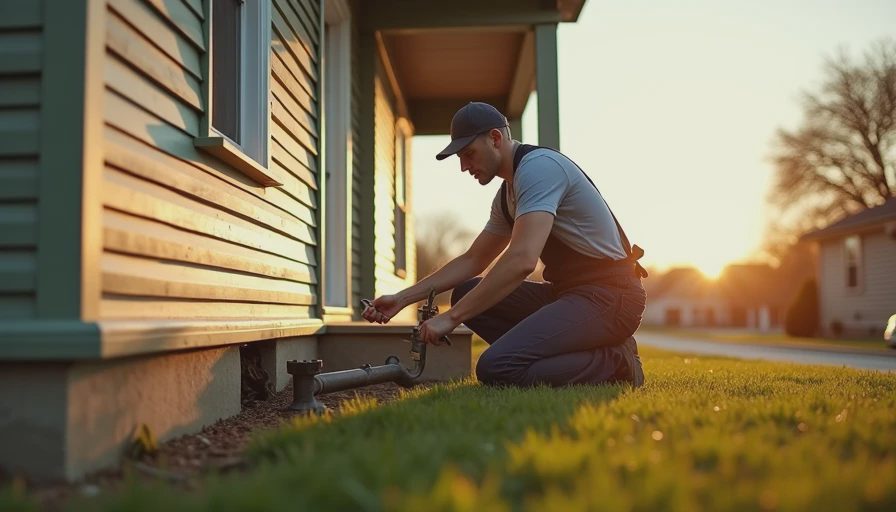
Start outside. Look along the wall facing the street, near the bathroom side of the house, or beside a driveway. A cleanout can look like a two- to four-inch pipe with a square nut on top. In older yards, it may be hidden under mulch, concrete, a flower bed, or several layers of paint. Inside, check the basement, crawl space, garage, and the area below a bathroom.
Do not assume every capped pipe is a drain cleanout. Gas lines, irrigation fittings, and abandoned plumbing can look similar. A drain cap is generally larger, positioned near the main building drain, and connected to a pipe that heads toward the sewer or septic system. If the cap is rusted, cracked, or surrounded by sewage, leave it alone and call a plumber.
You can also ask the city or sewer utility whether it has a public-side cleanout near the property line. That is not the same as your private access point, but knowing both locations helps identify where a blockage sits. Take photos, measure the distance from fixed walls, and write the location in your home maintenance folder. I have wasted more time rediscovering buried plumbing than I care to admit.
Opening the cap without making the problem worse
Before opening a drain cleanout, shut off fixtures that discharge into that line. Tell everyone in the house not to run water, flush toilets, start the washer, or use the dishwasher. Put a bucket and absorbent towels around the fitting. If the line is full, removing the cap can release a surprising amount of dirty water under pressure.
Use a proper cleanout wrench or an adjustable wrench on the square head. Do not strike a brittle cast-iron cap with a hammer. Do not force a plastic cap that has swollen, cracked, or been glued in place. Work slowly and loosen the cap one turn at a time. If water begins pushing out, tighten it again and wait for a professional.
A small amount of standing water inside the pipe does not automatically mean the pipe has failed. It often means the blockage is farther downstream. A plumber can run a drain machine through the opening, then use a sewer camera to identify roots, collapsed sections, grease, or an offset joint. Chemical drain cleaners are a poor choice here because they can sit in the line and injure whoever opens it next.
What clearing the line usually costs
For a straightforward interior or exterior blockage, a service call and basic cable cleaning commonly land around $150 to $400 in many markets. Emergency, nighttime, or holiday work can push that figure to $300 to $700. Hydro jetting, which uses high-pressure water to scour buildup from the pipe, often costs $500 to $1,200 depending on access and the length of the line.
A camera inspection is frequently another $150 to $400, although some companies include it with larger repairs. That inspection is money well spent in an old home. It can distinguish a one-time paper blockage from tree roots entering through a cracked clay or cast-iron sewer line. Without a camera, you may pay for repeated cleaning while the underlying defect continues.
Replacement is a different category. Spot repairs can run roughly $1,000 to $4,000 when excavation is limited. Replacing a long sewer lateral under a driveway, mature landscaping, or a slab can reach $8,000 to $25,000 or more. Trenchless lining or bursting may reduce digging but is not appropriate for every damaged pipe. Get the scope, access method, restoration work, and warranty in writing. Always.
When the cleanout points to a bigger problem
One slow sink is usually a fixture-level issue. Several fixtures backing up together is more concerning because they may share the main building drain. Gurgling toilets, water rising in a shower when the washer drains, sewage odors near the yard, or repeated backups after cleaning all deserve attention.
Roots are common around older clay sewer pipes, especially where mature trees sit between the house and street. Grease and wipes are also frequent causes, but they should not become an excuse for a recurring failure. If the line clears and backs up again within weeks, ask for a camera inspection and a written explanation of the blockage location.
Pay attention to where the backup appears. If sewage reaches the home's cleanout but the city-side line is clear, the private sewer lateral is likely the homeowner's responsibility. If the blockage is beyond the property connection, the utility may handle it, depending on local rules. That division is worth confirming before approving excavation.
DIY cleaning versus hiring a plumber
A homeowner can handle a reachable, intact cleanout when the problem is minor and there is no standing sewage. A small hand auger may clear a short branch line, and a rented drain machine can work for an experienced user. The risks are real: cables can kink, damage old pipe, or whip back through an opening. Protective gloves, eye protection, and careful control are not optional.
I would not rent a large machine for a buried main line just to save $200. On my own house, I once fed a cable into a partially collapsed cast-iron line. It opened the blockage briefly, then left a cable stuck in the pipe. The plumber's final bill was $680 instead of the $250 service call I was trying to avoid. The cheapest option is rarely the least expensive.
When calling, describe every affected fixture, the last successful drain, the location of the drain cleanout, and whether sewage is visible. Ask whether the quote includes a camera, cleanup, after-hours fees, and a return visit if the line blocks again. Do not accept a vague promise that a replacement is needed without seeing the damaged section or camera footage.
A practical maintenance plan for an old house
First, locate and photograph every drain cleanout. Second, mark each one on a simple sketch showing bathrooms, the kitchen, laundry, property line, and street connection. Third, have a camera inspection performed if the home has original sewer piping, recurring backups, or large trees near the line. A $250 to $400 inspection can provide useful information before an emergency.
Keep grease, paper towels, wipes, and so-called flushable products out of the drain. Use a hair screen in showers and clean it weekly. Do not plant trees directly over the sewer route. If roots are confirmed, schedule cleaning before the rainy season rather than waiting for a holiday backup.
Finally, write down the plumber's findings and the pipe material. The next service call will go faster when you can say, “The drain cleanout is nine feet from the east wall, the sewer is clay, and the camera showed roots at the sidewalk.” Your concrete next step is to find that cap this weekend, open nothing yet, and record its location before the house gives you a reason to need it.

No comments yet — be the first to share a thought.