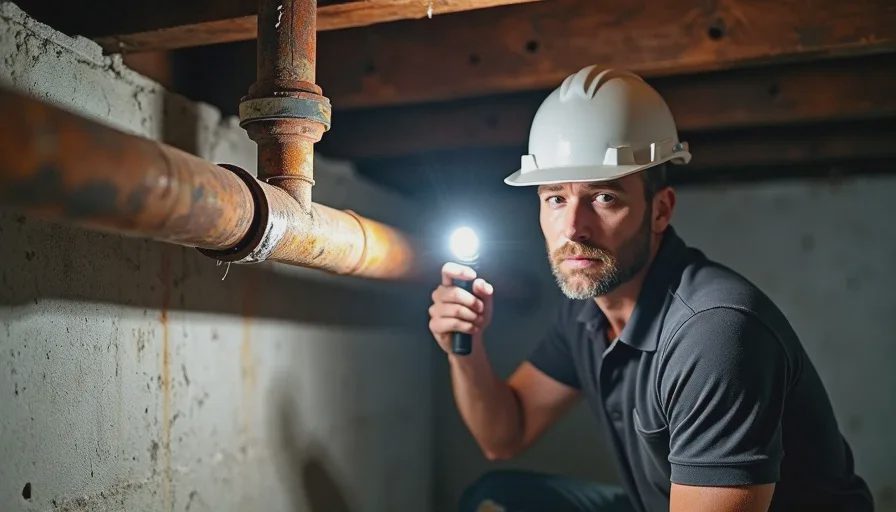
Plumbing is the system that old-house owners ignore until it fails. And when it fails, it's expensive.
I've seen people buy houses with original plumbing from the 1950s and think "it's fine, it's still working." It's not fine. It's working, but it's failing. And when it fails, you're looking at $10,000 to $20,000 in repairs.
Here's what you need to know about old-house plumbing.
The Two Big Problems
In houses built before 1970, there are two major plumbing issues:
1. Galvanized Steel Supply Lines
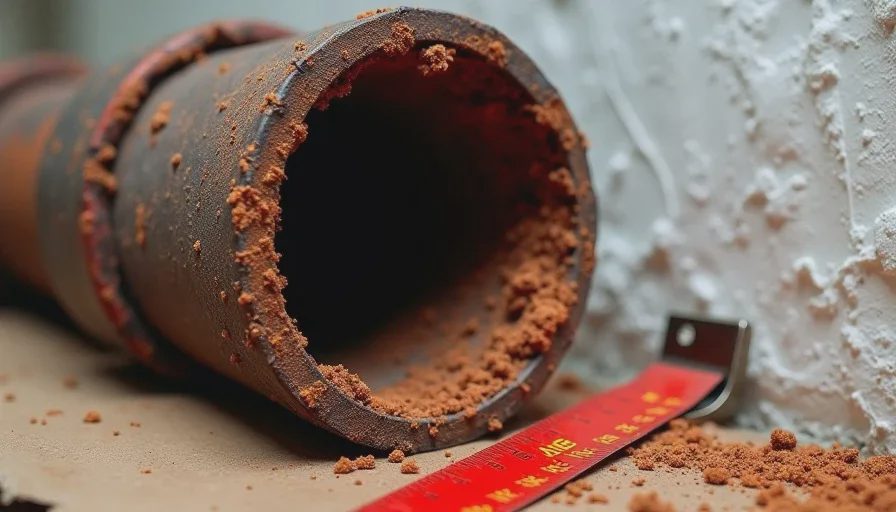
Galvanized steel pipes were used for water supply lines from the 1940s through the 1960s. They were galvanized—coated with zinc to prevent rust. The zinc coating eventually corrodes. The pipes rust from the inside out.
What happens: The interior of the pipe narrows as rust builds up. The water pressure drops. The water turns brown from rust. Eventually, the pipe corrodes through and leaks.
Signs you have galvanized: Low water pressure. Brown water when you turn on the tap. Rust-colored stains on sinks and tubs. Visible pipes in the basement that look rusty or have mineral deposits.
The fix: Full repipe. Replace all galvanized supply lines with copper or PEX. Cost: $6,000 to $12,000 for a typical house.
2. Cast Iron Drain Lines
Cast iron pipes were used for waste and drainage from the 1920s through the 1970s. They're strong. They last a long time. They also eventually corrode and crack.
What happens: The pipes corrode from the inside. The surface becomes rough, catching debris and causing clogs. The pipes crack. Roots infiltrate. The system backs up.
Signs you have cast iron: Frequent clogs. Slow drains. Gurgling sounds from the toilet. Sewer smell in the basement. Visible cracks on the pipes.
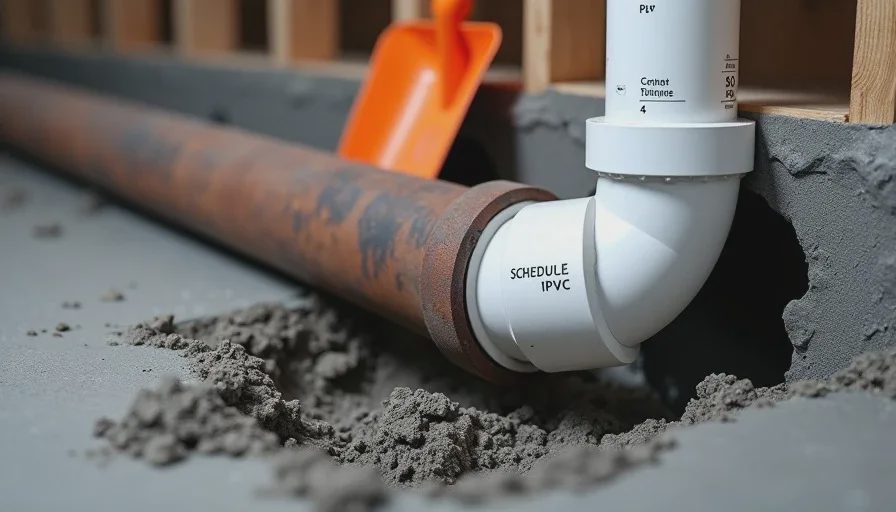
The fix: Replace cast iron drains with PVC. Partial replacement may be possible if the damage is limited. Full replacement is $8,000 to $15,000.
Other Plumbing Red Flags
Polybutylene Pipes
Polybutylene pipes were used in the 1970s and 1980s. They're gray or blue plastic with plastic fittings. They have a known history of failure—the pipes crack and blow out.
Signs: Gray or blue plastic pipes under the house. Look for "PB" stamped on the pipe.
The fix: Full replacement. Cost: $8,000 to $15,000.
Lead Supply Lines
Lead pipes were used in the early 1900s. They're soft and easy to bend. They also leach lead into your drinking water.
Signs: The visible pipe has a dull gray, soft feel. If you scrape it with a key, it leaves a shiny silver mark.
The fix: Full replacement. Cost: $6,000 to $12,000.
What to Check Before You Buy
If you're looking at an old house, here's what to check:
Look at the visible pipes. Go in the basement or crawlspace. What kind of pipes do you see? Galvanized? Cast iron? Copper? PEX?
Check the water pressure. Turn on the faucet in the kitchen and the bathroom at the same time. Is the pressure good? Does it drop significantly?
Check the water color. Run the cold water for a minute. Is it clear? Rust-colored? Cloudy?
Flush the toilet. Does it flush properly? Does it run? Does it make gurgling sounds?
Check the drains. Run water in the sink and watch how fast it drains. If it's slow, there's a problem.
Get a sewer scope. This is non-negotiable. A camera inspection of the sewer line will show you cracks, roots, and blockages.
How to Talk to Your Contractor About Plumbing
Here's something I've learned from being on both sides of the table: homeowners don't ask the right questions about plumbing. And contractors don't volunteer the right information unless you ask.
Here's what to ask before you sign a contract for any plumbing work:
1. "What's behind this wall?"
This sounds simple, but it's the most important question. In an old house, the plumbing is a mystery until you open the wall. A good contractor will tell you what they expect to find and what it will cost if they find something unexpected.
2. "What kind of pipe are you using?"
Copper? PEX? PVC? Each has pros and cons. Copper is durable but expensive. PEX is flexible and easier to install. PVC is standard for drains. Ask why they're choosing one over the other.
3. "How are you connecting to the existing system?"
This is where things go wrong. If your contractor is tying new PEX into old galvanized steel, there's a specific transition fitting that's required. If they use the wrong one, you'll have problems.
4. "What's the timeline for inspection?"
Any plumbing work requires inspection. The building department needs to see the rough-in before you close the walls. Don't let your contractor close up walls before the inspector comes. I've seen this happen. It's a costly mistake.
5. "What happens if you find rot or damage?"
This is the contingency question. If they open the wall and find rotted subfloor or a cracked pipe that wasn't part of the original scope, what happens? A good contractor will tell you the hourly rate for additional work and give you a rough estimate of what common surprises cost.
My Plumbing Budget Rules
After three personal renovations and hundreds of client projects, I've developed some rules for plumbing budgeting:
Rule 1: Assume you'll replace everything between the house and the street.
The sewer line from your house to the street is often the oldest part of the system. It's cast iron. It's 50-plus years old. And it's failing.
Budget $4,000 to $12,000 for a sewer line replacement. If you don't need it, great. But don't be surprised if you do.
Rule 2: Replace the water heater when you do any plumbing work.
If you're already opening walls and moving pipes, replace the water heater at the same time. The labor is already in the budget. The heater itself is $800 to $1,500. It's a small incremental cost.
Rule 3: Use PEX for supply lines.
I'm a fan of PEX. It's flexible. It's durable. It's easy to install. And it doesn't corrode like copper or galvanized.
If you're doing a full repipe, use PEX. It'll save you money on labor and materials.
Rule 4: Get a sewer scope before you do any work.
This is $200 to $400. It's cheap insurance. If your sewer line is failing, you want to know before you close up the walls.
Rule 5: Budget 20% for plumbing surprises.
Plumbing surprises are the most expensive surprises. Kitchens and bathrooms have rot. Galvanized pipes that look fine on the outside are corroded on the inside. Cast iron drains crack.
I budget 20% for plumbing contingency. Not 15%. 20%.
The 2026 Cost Breakdown
Service | Typical Cost |
|---|---|
Repipe (galvanized to copper/PEX) | $6,000 - $12,000 |
Repipe (polybutylene replacement) | $8,000 - $15,000 |
Cast iron drain replacement (partial) | $4,000 - $8,000 |
Cast iron drain replacement (full) | $8,000 - $15,000 |
Sewer line replacement (under slab) | $10,000 - $20,000 |
Sewer scope | $200 - $400 |
Water heater replacement | $800 - $1,500 |
Sump pump installation | $1,500 - $3,000 |
The Bottom Line
Old plumbing is a ticking clock. It's not a question of if it will fail, but when.
Budget for plumbing work when you buy an old house. Even if you don't need it immediately, you will need it eventually. And the earlier you address it, the less damage you'll have to repair.
Ask the right questions. Get the sewer scope. Use PEX. And always budget for the worst. Because in an old house, the worst is usually what you find.


No comments yet — be the first to share a thought.