The short answer to why do houses need gutters is simple: roofs collect a lot of water, and gutters move that water away from the parts of your house that cannot tolerate repeated soaking. Without them, rain runs off the roof in concentrated sheets beside the foundation, splashes onto siding, and erodes the soil that is supposed to support your drainage system.
I learned this on a 1923 Craftsman in Pasadena. The house had attractive exposed rafter tails, original wood siding, and no working gutters on the rear addition. After several winters, the bottom 8 inches of siding were soft. The repair looked like a $400 carpentry job until we found damaged sheathing and a section of settled soil below it. The final bill was $3,800. That is why do houses need gutters in real life, not brochure language.
What Gutters Actually Protect
A gutter does not make rain disappear. It catches water flowing off the roof and directs it through downspouts to a safer discharge point. That basic route protects several parts of the building at once.
First, it protects the foundation. Water dumped beside a footing can saturate soil, create hydrostatic pressure, and find cracks or joints in a basement or crawl-space wall. In a slab-on-grade house, persistent wet soil can still contribute to settlement and moisture problems. A gutter will not fix a structural crack, but it prevents the roof from pouring thousands of gallons beside that crack during a storm.
Second, gutters protect siding, trim, windows, and doors. Roof runoff carries dirt and grit, and splashback keeps those surfaces wet longer than normal rainfall would. Wood absorbs that moisture at end joints and lower edges. Fiber-cement and vinyl tolerate water better, but neither benefits from a muddy stream hitting the wall every time it rains.
Third, gutters protect the ground around the house. Uncontrolled runoff can carve channels through mulch, expose roots, wash away walkway bedding, and deposit soil against siding. That last condition is especially bad because it can bridge the gap between exterior cladding and the foundation.
A downspout extension or buried drain line is part of the system. A gutter that empties directly at the foundation is only a decorative half-measure.
Why Older Houses Usually Need More Attention
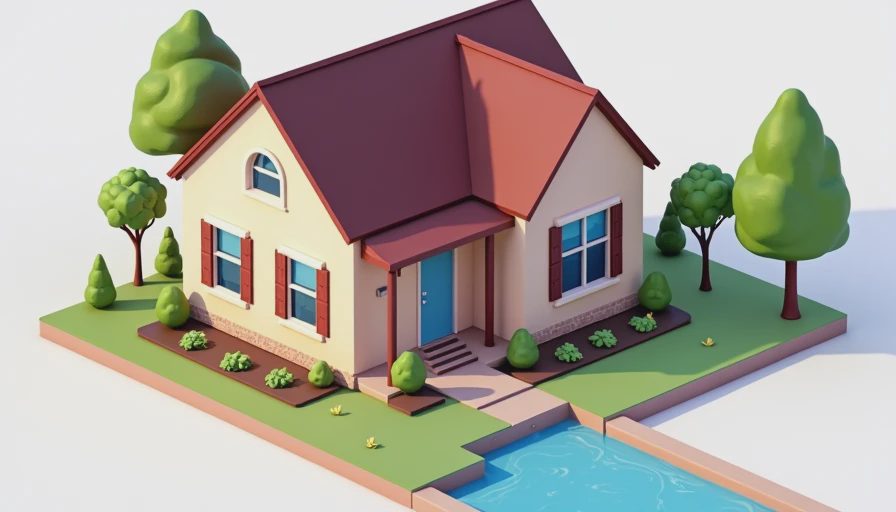
Older homes often have roof shapes that make drainage harder. A 1920s bungalow may have intersecting rooflines, small porch roofs, valleys, and additions built years after the original structure. Each valley concentrates water. Each inside corner is a place where leaves and roofing grit collect.
Many old houses also have gutters installed as an afterthought. I have seen downspouts stop six inches above the ground, gutters fastened into rotten fascia, and long runs installed without enough slope. The materials looked new from the driveway. They were still failing at the wall.
Historic design creates another complication. Boxed eaves, decorative brackets, and shallow roof overhangs can limit where a modern aluminum gutter fits. On a Craftsman, the right answer might be half-round gutters with visible hangers. On a plain ranch, five-inch K-style aluminum is usually practical and less expensive. Copper is durable and handsome, but it can cost several times more than painted aluminum. Pretty on the brochure, expensive in real life.
The question of why do houses need gutters is not answered by installing the cheapest channel available. The roof geometry, fascia condition, downspout locations, and soil around the house determine whether the installation will work.
What a Gutter Installation Actually Costs
For a straightforward one-story house, professional gutter installation commonly lands around $1,000 to $2,500, depending on linear footage, downspout count, height, access, and material. Small repairs can cost $150 to $500. Replacing rotten fascia before the gutter goes up can add $500 to $2,000 or more because the installer has to remove trim, repair framing, and repaint.
Typical material choices break down roughly like this:
Aluminum is the normal budget choice. It is light, available in many colors, and often costs about $6 to $15 per linear foot installed. Steel is tougher but heavier and more prone to corrosion if its coating is damaged. Copper can run $20 to $40 or more per linear foot installed, especially with custom details. Vinyl is inexpensive, but it becomes brittle and can sag in heat; I rarely choose it for a serious old-house repair.
Do not forget discharge work. A basic surface extension may add $10 to $30 per downspout. A buried solid drain line can add $20 to $40 per foot after excavation, fittings, and a pop-up emitter are included. If a contractor proposes a full perimeter drainage system, ask for a separate line item. Gutter work and foundation drainage are not the same project.
Get the scope in writing: gutter size, material thickness, hanger spacing, downspout locations, outlet method, fascia repairs, and cleanup. Always.
The Mistakes That Make Gutters Useless
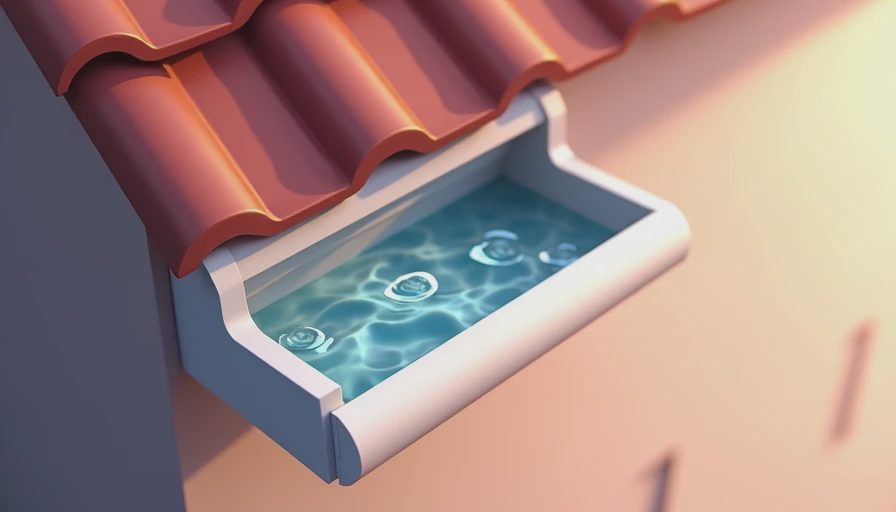
The most common failure is insufficient slope. Gutters need a slight pitch toward their outlets, but they should not look like a visible downhill slide from the street. A long, level-looking run can still drain correctly; a sagging run holds water and debris.
The second mistake is too few downspouts. A long roof edge with one outlet can overflow during a heavy storm even when the gutter itself is clean. Additional outlets are often cheaper than replacing water-damaged fascia later.
The third mistake is ending downspouts too close to the house. I prefer extensions that carry water several feet away when the grade allows it. On tight urban lots, a buried line or approved drainage connection may be necessary, but it must be planned rather than hidden as a last-minute fix.
The fourth mistake is attaching new gutters to bad wood. Fasteners cannot hold in punky fascia. The installer might finish quickly, but the whole run can pull loose when it fills with water. Repair the backing first.
This explains why do houses need gutters even in places with modest annual rainfall. Intense storms create the damage, not just yearly totals.
Should You Install Them Yourself?
A one-story ranch with straight fascia, a simple gable roof, and easy ladder access is a reasonable DIY gutter project. Plan on a helper, a good level, snips, a crimper, a drill, sealant, and a full day. Working from a ladder while handling long aluminum sections is awkward, so do not treat fall protection as optional.
I would hire a pro for a two-story house, a steep roof, fragile historic trim, complicated valleys, or any property where water already enters a crawl space or basement. A gutter installer can also spot fascia rot that a homeowner might mistake for a loose bracket. The cheapest option is rarely the least expensive when removal and repainting are included.
Before accepting a quote, walk the property during rain if possible. Watch where water leaves the roof, where puddles form, and whether the existing downspouts discharge toward a walkway or foundation. Take photographs. Then ask each bidder to solve those exact locations instead of giving you a generic per-foot price.
A Practical Gutter Checkup
If you are still asking why do houses need gutters, inspect the evidence around your own house. Look for dark splash marks on siding, mulch washed away below the eaves, exposed soil beside the foundation, peeling paint on fascia, and basement or crawl-space dampness after storms.
Clean gutters at least once or twice a year, with extra attention if trees overhang the roof. During cleaning, check seams, end caps, outlet connections, hanger screws, and downspout joints. Run a hose through each section and watch for leaks or standing water. Do not assume gutter guards eliminate maintenance; pine needles and roof grit still accumulate, and guards themselves can clog.
The right fix might be a $20 extension, a $300 repair, or a complete replacement. The only bad first move is ignoring the runoff until the wall or foundation becomes the drainage system.
For a concrete next step, stand outside during the next meaningful rain and trace every downspout discharge. Mark any outlet within a few feet of the foundation, photograph it, and get a written repair quote before the next storm season. That small inspection is the practical answer to why do houses need gutters—and how to make yours earn its keep.

No comments yet — be the first to share a thought.