
A window install in an old house can run roughly $700 to $2,000 per window for a straightforward replacement, including a standard unit and labor. That is a planning range, not a quote: custom sizes, damaged framing, difficult access, and exterior repairs can push the bill higher. The first decision is whether the existing frame is sound enough for an insert or whether the whole frame needs to come out.
That choice affects the price, the amount of visible glass, and how much of the wall gets disturbed. It also determines what the installer can see. A new window tucked into a rotten frame is an expensive way to postpone the actual repair.
Insert or full-frame replacement?
An insert window fits inside the existing frame after the old sash and selected components are removed. If the frame is solid, reasonably square, and well integrated with the surrounding wall, this approach can preserve interior trim and reduce disruption. The trade-off is a smaller opening for glass, because the new frame sits inside the old one.
A full-frame window install removes the existing frame down to the rough opening. It allows better access to the sill and surrounding framing and gives the installer a chance to address the water barrier around the opening. It also means more demolition and potentially more interior and exterior finish work.
Probe suspect wood at the sill, lower jambs, and corners with an awl or screwdriver. Soft, crumbling wood deserves investigation; peeling paint alone does not prove the framing is rotten. An installer should explain what remains in place and what gets removed, ideally with those details written into the bid.
One more option gets overlooked: repair. If original wood windows are sound but drafty, sash repairs, weatherstripping, and well-fitted storm windows may be worth pricing before replacement. That can preserve old glass and trim, although it will not solve every operating or maintenance problem.
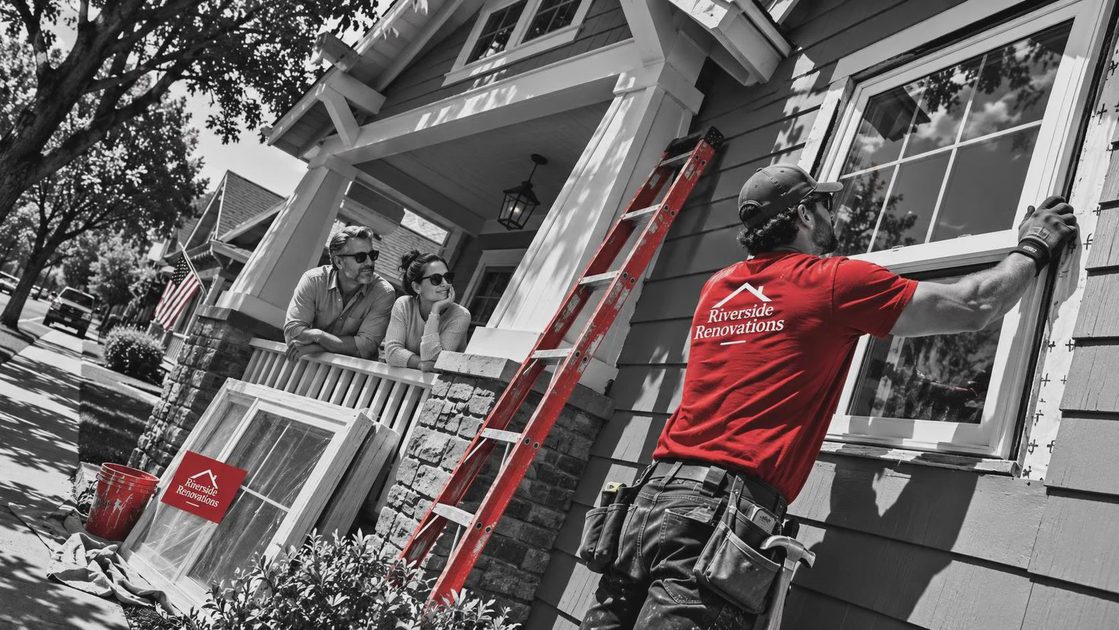
Build a window install budget that includes the wall
For a basic planning exercise, take a five-window job at $1,200 per opening: that is $6,000 before any concealed damage or upgrades. The number is illustrative, not an estimate for your house. Five openings of the same size can still produce five different problems once the trim comes off.
Ask for a breakdown that separates the following costs in plain language: the windows themselves, removal and installation labor, disposal, interior trim and paint, exterior patching, and permit fees if applicable. A low bid that excludes finish work is not necessarily cheaper; it may just leave you paying someone else to make the wall look whole again.
For an older house, set aside a contingency for concealed repairs. A practical starting allowance is 10% to 20% of the quoted project cost, with more cash available if you already see staining, soft sills, or extensive previous patching. That is a budgeting cushion, not a prediction of what the repair will cost.
The contract should state how hidden damage is priced. A reasonable arrangement identifies an hourly labor rate and material markup, or requires a written change order before additional work proceeds. Ask who approves the repair and whether the opening will be made weather-tight while you make that decision. Get it in writing. Always.
Measure after you know what stays
A window install starts with measurements of the opening that will actually receive the new unit, not a quick tape across the old glass. Measure width and height at multiple points because old openings can be out of square. The installer and manufacturer need to account for the frame, sill slope, required clearances, and the specific installation method.
Do not order custom units from a single rough measurement taken through existing trim. Have the person responsible for installation verify the dimensions and the order. If the supplier measures but a separate contractor installs, settle responsibility for a misfit before placing the order.
Check operation and access, too. A bedroom window may need to meet emergency escape requirements, and replacement rules depend on the scope of work and local code. Safety glazing may be required in certain locations, including some windows near doors or low to the floor. Your local building department can tell you what applies before the order is placed.
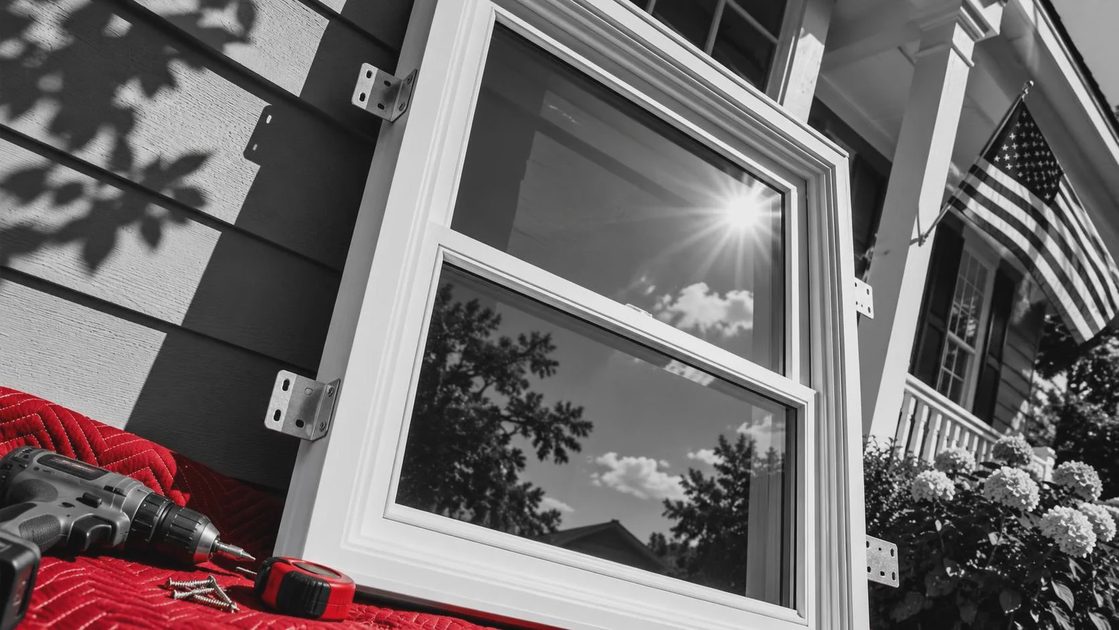
Water control matters more than a neat bead of caulk
The best-looking window install will fail if water gets behind it and has nowhere to go. Ask the installer how the sill, sides, and top of the opening will be flashed and connected to the existing water-resistive barrier. The details depend on the wall, the window, and the manufacturer's instructions; there is no universal tape pattern that fixes every old house.
At the bottom, the goal is to direct incidental water out rather than trap it against wood. At the top and sides, flashing should overlap in a way that directs water outward. Existing stucco, siding, and building paper can make that integration difficult, which is why a full-frame job sometimes needs exterior patching beyond the window trim.
Caulk is part of an assembly, not a substitute for flashing. Ask what will happen where new materials meet old siding, and who will repair any finish removed for access. If the answer is simply that everything gets caulked, keep asking questions.
Permits, lead paint, and the final walkthrough
Before work starts, check local permit and historic-district requirements. Rules vary by jurisdiction and project, and a house with historic status may have restrictions on visible changes. If the home was built before 1978, painted surfaces may contain lead. Disturbing old paint calls for appropriate containment and cleanup; ask the contractor about applicable lead-safe requirements before demolition.
A straightforward window install may be within reach of a skilled homeowner, but full-frame work in an old wall brings more risk: hidden rot, difficult flashing transitions, heavy glass, and possible structural concerns. Hire a qualified installer if you cannot confidently make the opening weather-tight the same day. Rot extending into framing is a reason to stop and assess, not cover it up.
At the walkthrough, open and lock every sash, check that screens fit if supplied, and look for damaged finishes. Ask for the product and installation warranty terms, along with any care instructions. Your next move is simple: get two written bids for the same scope, including who handles trim, flashing, permits, and concealed repairs. Then compare the work, not just the bottom line.


No comments yet — be the first to share a thought.