
Foundation waterproofing is one of those jobs that looks simple until somebody starts digging. Water appears in the basement, a contractor points at a crack, and suddenly you are discussing pumps, membranes, drainage tile, and a $20,000 invoice. I have managed enough old-house renovations to know the first quote is often based on the symptom, not the source.
My own expensive lesson came from a 1923 Craftsman in Pasadena. We had a damp basement wall after heavy rain. I paid for an interior sealant system because it was quick and tidy. It stopped the visible drip for a while, but the wall stayed wet behind the coating. Two years later, the smell returned and the paint bubbled. The cheapest option was rarely the least expensive.
Start by Finding Where the Water Comes From
Before discussing foundation waterproofing, determine whether you have groundwater, surface runoff, plumbing leakage, or condensation. These problems can look nearly identical from inside a basement.
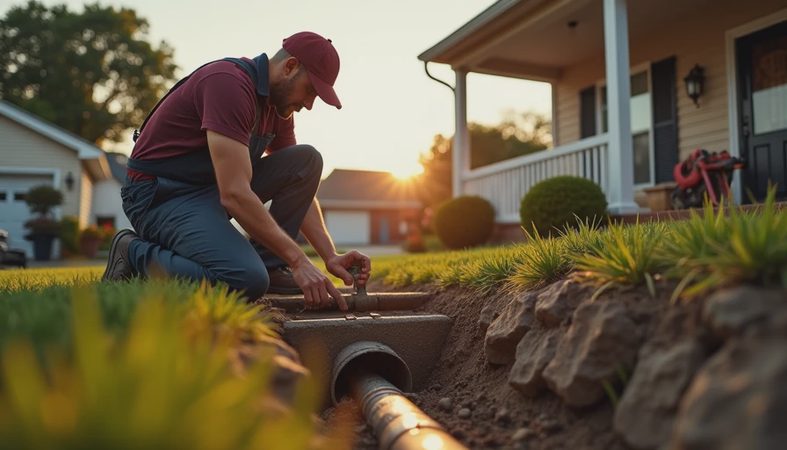
A failed gutter can dump hundreds of gallons beside one corner during a storm. A downspout that ends six inches from the foundation can create a wet patch that resembles a structural leak. Grading that slopes toward the house does the same thing. Those fixes may cost $150 to $1,500, which is very different from excavating a foundation wall.
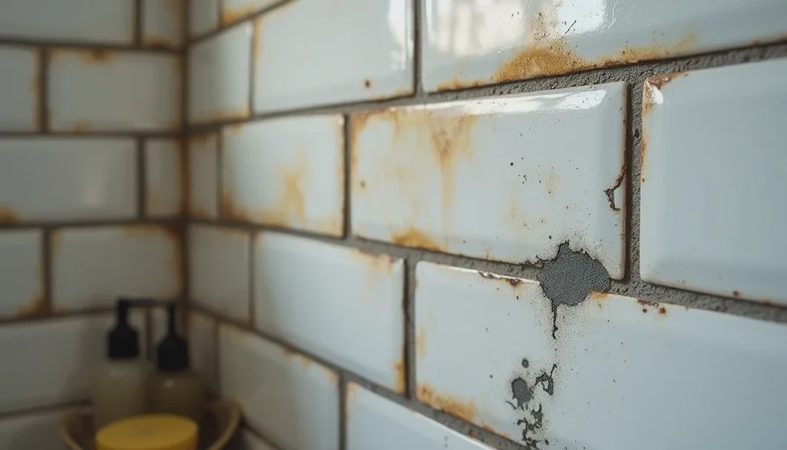
Look for a pattern. Water that appears only after rain usually points outside. A steady puddle near a water heater or bathroom wall could be a plumbing issue. Dampness across a cool basement in summer may be condensation. Efflorescence, the white powder left when moisture moves through masonry, proves water has traveled through the wall, but it does not identify the entry point.
I start with gutters, downspouts, soil slope, window wells, and visible cracks. Take photos during a storm if it is safe. Mark the wet areas with painter's tape and write down the date. That simple record gives a contractor better information than saying, “The basement gets wet sometimes.”
Interior Foundation Waterproofing: When It Makes Sense
Interior foundation waterproofing usually means managing water after it reaches the foundation. A contractor may install a drainage channel along the slab edge, connect it to a sump pump, and use a wall membrane to direct seepage downward. A basic system often runs $4,000 to $12,000 for a modest basement, depending on access and how much slab must be removed.
This approach is practical when exterior excavation is impossible. A neighboring property may be inches away. A concrete patio, mature tree, retaining wall, or attached addition can make digging risky and expensive. Interior drainage is also useful in older homes where the footing is deep and exterior access would require dismantling half the yard.
The important distinction is that an interior system usually controls water; it does not make the outside of the foundation dry. The wall can remain damp, and hydrostatic pressure still exists. Ask exactly where the water goes, what happens during a power outage, and whether the sump pump has a battery backup. A pump without an alarm and backup is an unfinished system in my book.
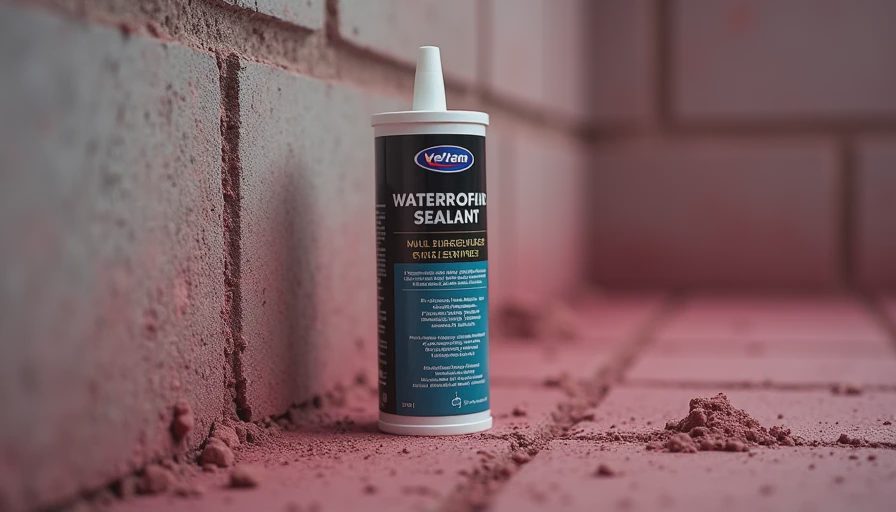
Be suspicious of a coating-only proposal. Paint, epoxy, and cementitious sealers can improve appearance, but they rarely solve active water pressure. If the company promises a dry basement without explaining drainage, ask for the mechanism in writing. Get it in writing. Always.
Exterior Waterproofing Costs More for a Reason
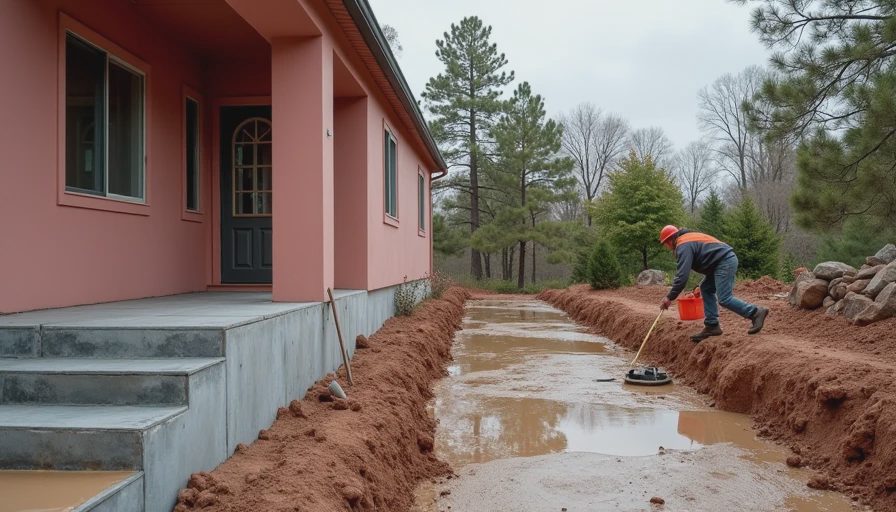
Exterior foundation waterproofing attacks the problem before water enters the wall. The crew excavates to the footing, cleans the masonry, repairs cracks, applies a waterproof membrane, installs protection board or drainage mat, and replaces soil. Depending on depth, access, landscaping, and local labor rates, expect roughly $10,000 to $30,000 for one or two walls. A full perimeter can exceed $30,000 quickly.
That number sounds painful because it includes real work: excavation, soil removal, equipment, patching, drainage, backfill, and restoration. On one project, the waterproofing itself was quoted at $11,800. The final bill reached $17,400 after we discovered a buried concrete walkway and had to rebuild a section of brick edging. The membrane was not the expensive surprise; access was.
Exterior work is usually the stronger long-term repair when the foundation is accessible and the problem is persistent groundwater. It reduces pressure on the wall and protects the masonry from repeated saturation. It is also the time to repair vertical cracks, replace damaged window wells, and correct downspout discharge.
Do not let a crew backfill immediately after applying a product. Ask how the membrane is protected from rocks, whether drainage mat is included, how the footing drain is tested, and what material will be used for backfill. A pretty brochure is not a drainage plan.
Cracks, Mortar, and Structural Problems
Not every foundation crack requires a waterproofing company. A narrow, stable shrinkage crack in poured concrete may be repaired with polyurethane injection. That repair can cost several hundred dollars per crack. A crack that widens, steps through concrete blocks, leaks heavily, or appears with wall movement deserves an evaluation from a structural engineer or experienced foundation contractor.
Old brick and stone foundations need different treatment. They often rely on lime mortar and were built to tolerate some moisture movement. Sealing the interior with an impermeable coating can trap water and damage soft masonry or force moisture into adjacent wood framing. In those houses, removing bad cement parging, repointing with compatible mortar, improving exterior drainage, and controlling humidity may be more appropriate than covering everything in waterproof paint.
Watch for horizontal cracks, bowing, displaced blocks, sticking doors, and new diagonal cracks above windows. Water is not always the cause, but water can make an existing problem worse. A waterproofing salesperson is not automatically qualified to diagnose structural movement.
How to Compare Contractor Proposals
Ask each bidder to describe the source of water, not just the product they want to sell. A useful proposal identifies the affected walls, excavation depth, drainage route, pump specifications, crack repairs, soil disposal, permits, and restoration. It also states what is excluded. “Landscaping by owner” can mean anything from reseeding grass to rebuilding a concrete staircase.
Compare line items instead of comparing only totals. One $14,000 bid may include a sump pump, battery backup, membrane, drainage mat, and new window wells. Another $9,000 bid may include only a coating and two days of labor. Those are not competing solutions.
Check insurance, licensing requirements, references for similar old houses, and the warranty language. A warranty that covers only the product is not the same as one covering water intrusion. Ask whether the company will return if a repaired wall leaks and whether the warranty transfers when you sell the house.
Never accept pressure to sign during the inspection. Foundation waterproofing is expensive enough that a second opinion is cheap. Spend $300 to $700 on an independent evaluation if it prevents a bad $10,000 decision.
What I Would Do First
My order is straightforward. I would extend downspouts at least several feet from the foundation, clean gutters, correct obvious grading, and remove debris from window wells. Then I would document the leak during the next storm. If water continues, I would get two proposals that address the same wall and one opinion from somebody who is paid for diagnosis rather than a sales commission.
I would choose exterior work when access is reasonable and groundwater is clearly pushing through the wall. I would choose interior drainage when excavation is impractical or the basement needs a controlled path to a sump. I would not pay for sealant alone unless the contractor can explain why there is no continuing water pressure.
The final move is simple: before signing, walk the scope with the contractor and make them point to every drain, pump, membrane, repair, and restoration item. Foundation waterproofing succeeds when water has somewhere reliable to go. Put that route, the cost, and the warranty in writing before anyone touches your house.

No comments yet — be the first to share a thought.