
A sewer line clean out is the access point plumbers use to reach the main drain running from your house toward the municipal sewer or septic tank. In plain English, it is a capped pipe that lets a drain auger or camera enter the line without removing a toilet. If you own an older house, finding that cap before wastewater is bubbling through the bathtub is worth an hour of your time.
I have managed enough old-house remodels to know how this usually goes. The homeowner notices a slow shower, pours in a chemical drain cleaner, and assumes the problem is solved when the water moves again. Two weeks later, the kitchen sink, toilet, and laundry drain all back up together. The plumber then spends extra time locating the sewer line clean out, and the bill climbs before the actual blockage is even touched.
What a sewer line clean out actually does
The clean out provides a straight, serviceable entry into the building sewer. A plumber removes the threaded cap, feeds in a cable machine or hydro-jetter, and works toward the street or septic tank. A sewer camera can also travel through the opening to show whether the problem is grease, roots, a crushed pipe, separated joints, or a low section holding water.
That distinction matters. Clearing a blockage is not the same as repairing a damaged sewer. A cable might punch through roots for $250 to $600, but those roots will return if the pipe joints remain open. Hydro-jetting often runs $600 to $1,200 because it scrubs the pipe walls more thoroughly. A camera inspection commonly adds $150 to $350, although some companies include it with a larger service call.
In a 1920s Pasadena bungalow I helped renovate, the clean out was buried under a layer of concrete near the side gate. The owners had paid for three toilet snaking visits before anyone found it. The cheapest option was rarely the least expensive. Breaking a small section of concrete and installing an accessible two-way clean out cost about $900, but it made every future service call faster and less destructive.
Where to look for the cap
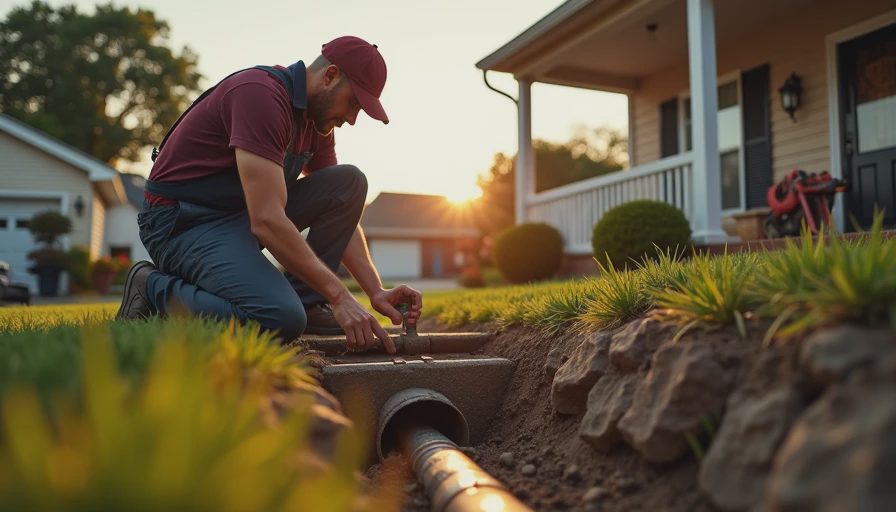
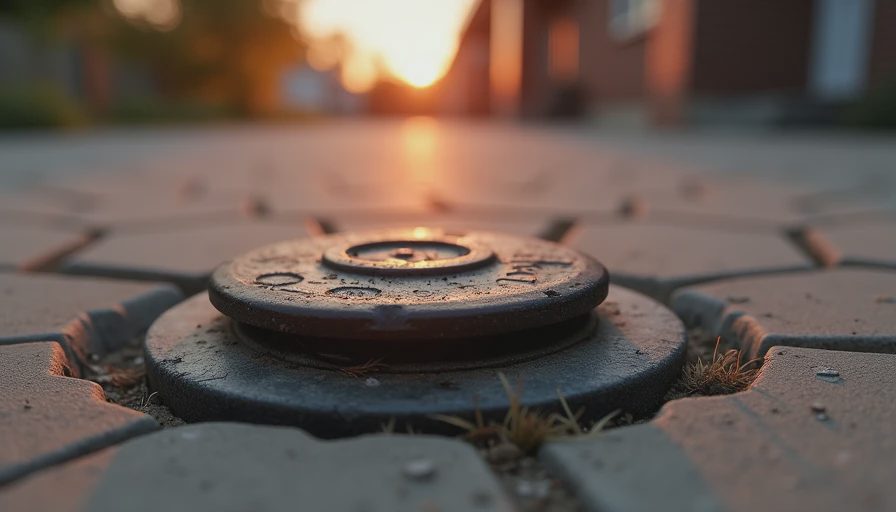
Start outside, not by pulling a toilet. Look along the front or side foundation, near the property line, beside the driveway, and close to where the bathroom group exits the house. In older neighborhoods, the cap may be a white or green plastic plug, a brass fitting, or a short iron pipe with a square nut. It may sit several inches below soil, mulch, asphalt, or a newer concrete walkway.
Inside, check basements, crawl spaces, garages, and utility rooms. Some houses have an interior clean out just beyond the foundation and another outside. A two-way clean out has openings in both directions, allowing a plumber to work toward the house or toward the street. A single clean out may only provide useful access in one direction, especially if the pipe layout includes tight bends.
Do not dig blindly with a pick or shovel. Mark the suspected route from the main bathroom toward the street, call 811 before digging in the yard, and expose the cap carefully. If the fitting is cast iron and badly rusted, forcing it can break the pipe or release sewage under pressure. That is a $75 mistake only when it goes well; the cleanup and emergency repair can run into thousands.
The real cost of opening or installing one
If the cap is visible and undamaged, opening a sewer line clean out is usually part of a standard service call. Expect roughly $150 to $400 for basic access and clearing, depending on time, location, and local labor rates. A cap buried in soil might add $100 to $300. Removing concrete, replacing a damaged fitting, or digging through a landscaped area adds labor quickly.
Installing a new sewer line clean out near the foundation often costs $600 to $1,500 when the line is shallow and the surface is easy to restore. Under a driveway, mature tree, or thick slab, the same work can reach $2,500 or more. The quote should identify excavation, pipe fittings, permits if required, surface repair, disposal, and testing. Get it in writing. Always.
The cap itself is not the place to save ten dollars. A proper threaded, pressure-rated cap that remains accessible is better than a loose plug covered with dirt. The plumber should slope the fitting correctly, support the pipe, and leave a visible marker or small access box. Pretty on the brochure, expensive in real life describes a hidden access point that looks tidy until someone needs it at midnight.
When cleaning is not enough
A recurring backup is a diagnostic problem, not merely a clog. If the line blocks again within weeks, ask for a camera inspection through the sewer line clean out. Watch the monitor with the technician and ask for a video copy. You want to see the defect, not just hear that the pipe is old.
Orangeburg pipe, common in some older homes, can flatten or deform. Clay lines can develop offset joints, while cast iron can scale internally and lose much of its usable diameter. PVC installed during a remodel may connect to older material with a poor transition. Tree roots are common, but “roots” is not a complete repair recommendation. The underlying question is whether the pipe needs periodic cleaning, spot repair, trenchless lining, or replacement.
A localized repair might cost $1,500 to $4,000. Replacing a long yard section can run $5,000 to $15,000 or more, depending on depth and access. Trenchless options reduce surface demolition but are not suitable for every collapsed or badly misaligned line. I have seen homeowners approve full replacement when a short section was the actual failure, and I have also seen them keep paying for root cutting when replacement was plainly cheaper over five years.
A practical homeowner inspection
Once a year, locate the sewer line clean out and photograph it with a tape measure beside the cap. Record its distance from the house corner, gate, or sidewalk. Clear weeds and soil from around it without sealing it under a permanent structure. If you buy the property, ask the seller or inspector whether the line has been scoped, and keep that report with your renovation documents.
During a backup, stop running water in the house. Do not flush toilets, start the washer, or test the shower repeatedly. Check whether neighbors have the same issue; a shared municipal problem requires a different call than a private building sewer blockage. If wastewater is surfacing, keep children and pets away, wear gloves and eye protection, and use a licensed plumber for cleanup and disinfection.
When the plumber arrives, ask three direct questions: Where is the blockage? What did the camera show? What prevents the problem from returning? A clean-out service should end with an explanation, not just a drained invoice. If the plumber recommends replacement, get a second opinion and compare the proposed length, depth, pipe material, restoration, and warranty.
What I would do before the next backup
Find the sewer line clean out this weekend, even if every drain currently works. Take a picture, make sure the cap is accessible, and write down the route to the street or septic tank. If you cannot find one, ask a plumber to locate the line with a camera or electronic locator and price a proper access point.
That small bit of preparation will not prevent every sewer failure. It will prevent the frantic version of the problem, where a crew is digging beside your foundation while wastewater sits in the tub. Spend the money first on access and diagnosis. Then choose cleaning or replacement based on what is actually inside the pipe, not on the first alarming guess.
No comments yet — be the first to share a thought.