I've been doing this long enough to know that some materials are beautiful in the showroom and terrible in real life.
I've learned this the hard way. More than once.
Here are five materials I used in my own houses that I regret. I've already paid for these lessons. You don't have to.
1. White Grout
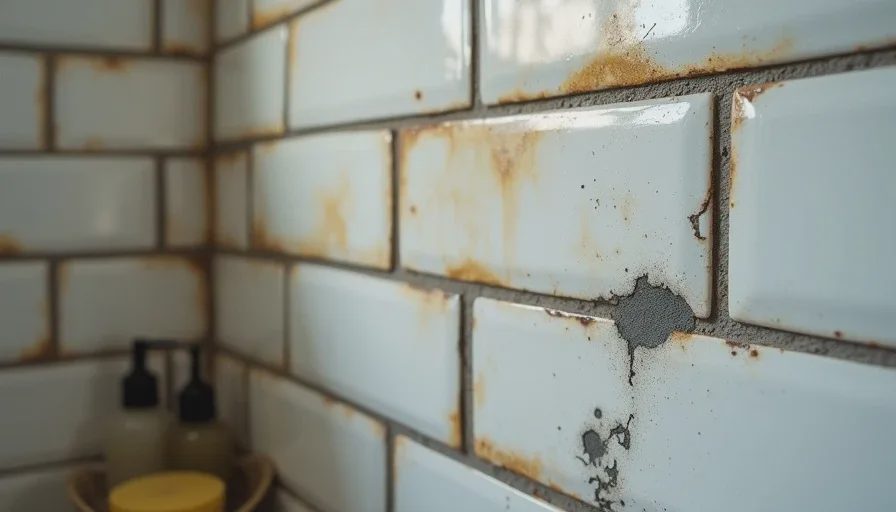
I used white grout in the bathroom of my 1923 Craftsman. Beautiful white subway tile, bright white grout. It looked amazing—for about two weeks.
White grout is a magnet for dirt. It's a magnet for mildew. And it's impossible to keep white in a wet environment.
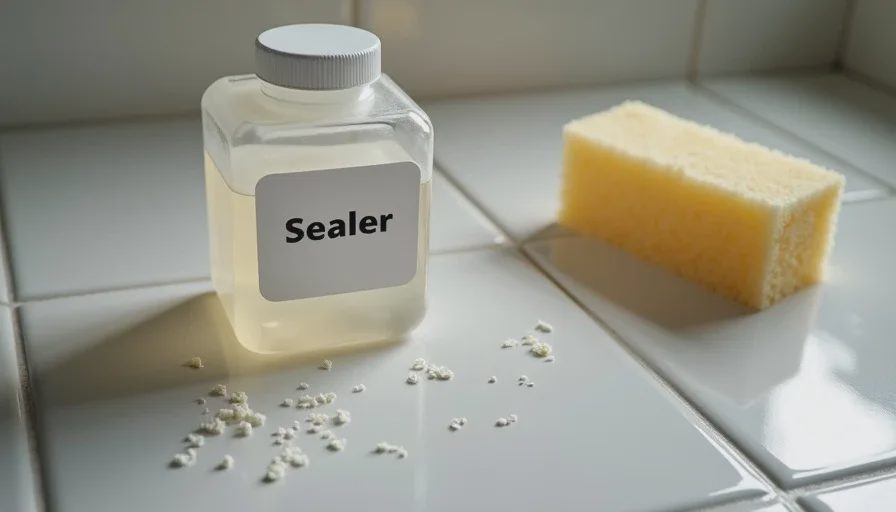
What I'd do differently: Use a medium gray or beige grout. It still looks clean, but it doesn't show every speck of dirt. And if you must have white, seal it. And then seal it again. And then be prepared to scrub it every week.
The cost of my mistake: I ended up removing the grout and regrouting with gray after about two years. That cost me $1,200 in labor. Plus the time I spent scrubbing white grout for two years.
2. Unsealed Concrete Flooring
I poured a concrete floor in the basement of my 1954 ranch. I left it unsealed because I liked the "raw industrial look."
Big mistake.
Concrete is porous. Very porous. Any liquid that spills soaks in immediately. And in a basement, there's always some dampness from the ground. My unsealed concrete floor stayed damp. It got stains from oil, from spilled drinks, from who knows what.
What I'd do differently: Seal the concrete. Or use a densifier and a topical sealer. Or use concrete paint. Anything to make it less porous.
The cost of my mistake: I had to grind the floor and apply a commercial-grade sealer. That was $2,800. Plus the two years I spent being annoyed by stains.
3. Flat Paint in a Bathroom
I painted the bathroom of our 1954 ranch with flat paint. Flat paint is beautiful. It hides imperfections. It looks soft and velvety.
It's also the worst choice for a bathroom. Bathrooms have moisture. Flat paint absorbs moisture. And it mildews. And it's impossible to clean.
What I'd do differently: Use a satin or semi-gloss paint in any room with moisture. The extra sheen is worth it for the washability.
The cost of my mistake: I repainted the bathroom. The paint was $70. My time was worth more than that, but I won't count it.
4. Unfinished Wood Window Sills
I love wood. I love the look of natural wood. So when I restored the windows in the Craftsman, I left the sills unfinished.
Wood in direct sunlight fades. Wood near windows gets condensation. The condensation caused the wood to darken and spot. The sun caused it to gray. The combination made the sills look terrible within a year.
What I'd do differently: I should have sealed them. A clear, matte sealer would have protected the wood without changing the color. Or I should have used a tinted sealer for UV protection.
The cost of my mistake: I sanded and refinished all the sills. That was a weekend of work. And the new sealer cost $150.
5. Cheap Stainless Steel Fixtures
I bought the cheapest stainless steel fixtures I could find for our kitchen. I thought "stainless is stainless" and they'd all look the same.
They don't. Cheap stainless steel has a thin coating that wears off. It shows fingerprints constantly. And it's made of a different grade of steel that doesn't resist corrosion as well.
What I'd do differently: Spend the extra money on better-grade stainless steel fixtures (check the gauge of the metal and the quality of the brushed finish). The price difference is $50 to $100 per fixture. It's worth it.
The cost of my mistake: I replaced all the fixtures after two years. That cost me $600. The fixtures I should have bought originally would have cost $400. I paid $200 more to learn this lesson.

The Rule
Here's my rule now: buy the better-quality material the first time. I know that's not always possible. I know budgets are tight. But if you can stretch for it, do it.
Because the cheap stuff fails. And when it fails, you pay twice. The first time to buy it. The second time to replace it.
One More Thing
Look, I'm not telling you to blow your budget on premium everything. That's not realistic, and I wouldn't do it myself. What I'm telling you is this: when you're standing in the showroom deciding between the $3/sq ft tile and the $6/sq ft tile, ask yourself what's going to happen when that material meets water, dirt, kids, and time. The cheap stuff usually loses that fight. And the money you saved on the front end gets spent on the back end—plus the frustration you didn't budget for. I've done this five times. I'm not doing it a sixth. You shouldn't either.


No comments yet — be the first to share a thought.