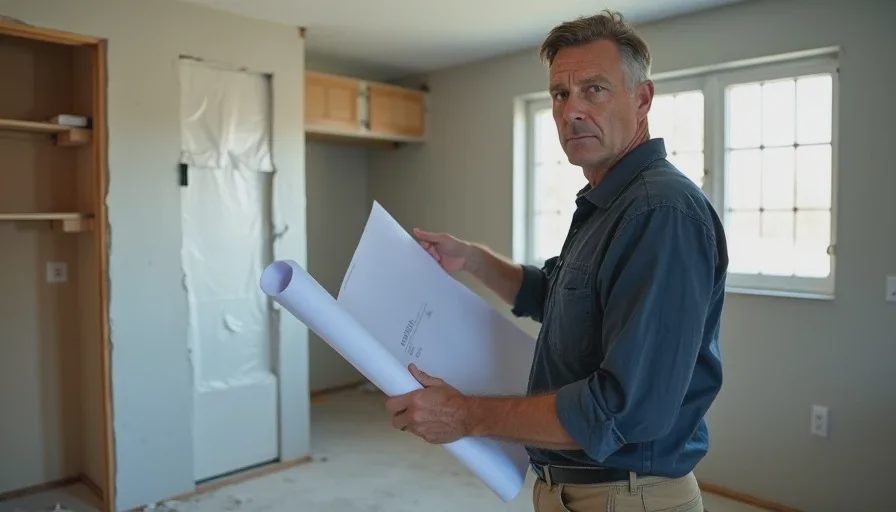
I've been saying it for years: the cheapest option is rarely the least expensive. And I have the stories to prove it.
Here are three real examples from my time in the field. Names changed, but the numbers are real.
Story 1: The Kitchen That Kept Going Up
A homeowner got three bids for a kitchen renovation. The low bid was $28,000. The high bid was $35,000. The middle was $32,000.
They took the low bid. The contractor was a guy who worked alone, no license, no insurance. He'd done "plenty of kitchens" and "wouldn't charge for change orders."
Week one: demolition. He found rot behind the sink. Said it would cost $800 to fix. They paid it.
Week two: electrical. He said the old panel couldn't handle the new appliances. New panel: $1,600. They paid it.
Week three: plumbing. He said the supply lines were old and needed replacing. Another $1,200. They paid it.
Week four: cabinets arrived. They were the wrong size. Contractor said it was the homeowner's fault and charged $500 to "fix the issue."
Week six: contractor stopped showing up. He'd been paid $22,000. The kitchen was half-finished. Drywall was not taped. Cabinets were not installed. The electrical was roughed in but not connected.
The total cost: $28,000 originally quoted. $4,100 in change orders. $12,000 to hire a new contractor to finish the work. Total: $44,100. Plus six weeks of lost time.

Story 2: The Bathroom That Leaked
A couple hired a handyman to renovate their bathroom. He was $3,000 cheaper than the licensed contractor they'd interviewed. He said he'd done "tons of bathrooms" and could finish in two weeks.
He finished in three weeks. It looked great. For about six months.
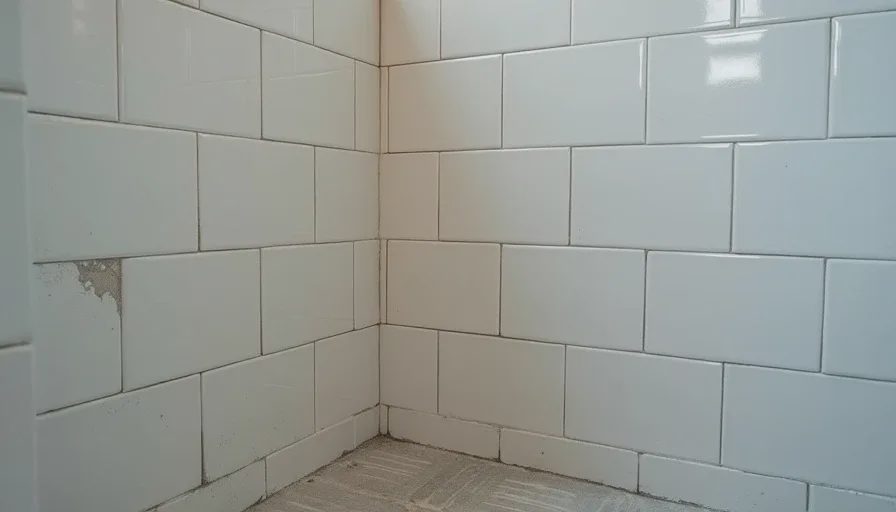
Then the ceiling below the bathroom started to stain. Then it started to drip. The handyman had used the wrong waterproofing membrane behind the tile. Water was seeping through and damaging the floor below.
The fix: remove all the tile, replace the waterproofing, retile, and repair the ceiling below. Cost: $8,000.
The total cost: The handyman cost $11,000. The repair cost $8,000. Total: $19,000. The licensed contractor had quoted $14,000.
Story 3: The Foundation That Cracked
A homeowner noticed a crack in their foundation. They got three quotes. The lowest was from a guy who said he could "inject epoxy" and fix it for $1,200. The engineer they'd consulted had recommended $5,000 in structural repairs.
They went with the $1,200 injection. For about two years, the crack didn't move. Then it moved. A lot. The wall bowed six inches. The floor above started to slope.
The engineer came back. The bow was significant. The wall needed to be replaced entirely. Cost: $18,000.
The total cost: $1,200 + $18,000 = $19,200. The original $5,000 repair would have worked.
The Pattern
Here's what these stories have in common:
Low-bid contractors underprice the job to get it. They know they'll make it up in change orders.
Low-bid contractors often aren't licensed or insured. If something goes wrong, you have no recourse.
Low-bid contractors use cheaper materials. The waterproofing membrane that failed? It was a cheaper product than what the licensed contractor would have used.
Low-bid contractors don't pull permits. That means no inspections. And no safety checks.
How to Avoid This
Check licenses. Every legitimate contractor has a license number. Verify it with your state's licensing board.
Check insurance. They need general liability and workers' compensation. If they don't have both, walk away.
Check references. Call three past clients. Ask about timeline, budget, and whether they'd hire them again.
Compare bids line by line. Don't just compare the total. Look at what each bid includes.
Don't let the lowest bid be the only factor. If there's a $10,000 difference between bids, there's a reason.
The Bottom Line
The cheapest bid is rarely the least expensive. Not in the long run.
I've seen this pattern dozens of times. Homeowners save $5,000 upfront and spend $15,000 fixing the problems later.
Take the bid that's in the middle. The one that's reasonable but not the cheapest. The one from a licensed contractor with references and insurance.
That's the one that's actually least expensive.
Why We Keep Falling for It
I've thought a lot about why smart people keep taking the low bid. It's not because they're careless. It's because the low bid feels good in the moment. It makes the project seem affordable. It makes the stress feel manageable. It gives you a number you can tell your partner without wincing.
But that feeling is temporary. The stress of a project going sideways lasts a lot longer than the relief of saving a few thousand dollars upfront. I've sat across from too many homeowners who told me, "I wish I'd just paid the extra money from the start." Not one has ever told me they wished they'd gone with the cheaper guy.
My Final Word on Bids
Here's what I tell every client now: get three bids. Throw out the lowest and the highest. Pick the middle one. Then check their license, their insurance, and their references. If the middle bid checks out, hire them.
That's not a guarantee. Nothing is. But it's the best system I've found for avoiding the pattern I just described. I've used it on my own houses. It's worked for me. And I've already paid for the lessons that taught me to do it this way. You don't have to.


No comments yet — be the first to share a thought.