I've written about foundation cracks and how to read them. But I haven't told you what it actually costs to fix one.
Here's a real foundation repair from one of my projects. The numbers are accurate. The story is true. And the lesson is simple: don't wait to fix foundation problems.
The House
1962 mid-century split-level in Pasadena. The previous owner had ignored a crack in the foundation for about eight years. They'd filled it with hydraulic cement twice. The crack kept coming back.
When we bought the house, the crack was visible in the basement. It was horizontal, running along the back wall. It was about 1/4 inch wide. The wall was bowing inward by about an inch.
We knew we had to address it. We didn't know how much it would cost.
The Diagnosis
We called a structural engineer. He came out and did a full assessment.
The findings:
The wall was bowing from soil pressure against the exterior
The crack was active—it was getting wider
The footing was intact but the wall was failing
The soil was clay, typical for Southern California
The recommendation:
Install steel I-beams on the interior wall to brace the foundation
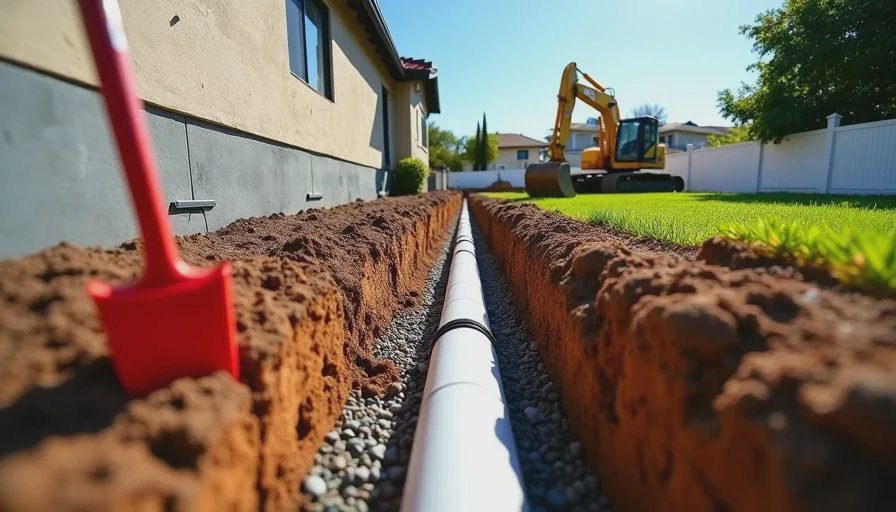
Excavate the exterior and install a drainage system
Seal the crack with epoxy injection
Replace the damaged section of wall (about 8 feet)
The Budget
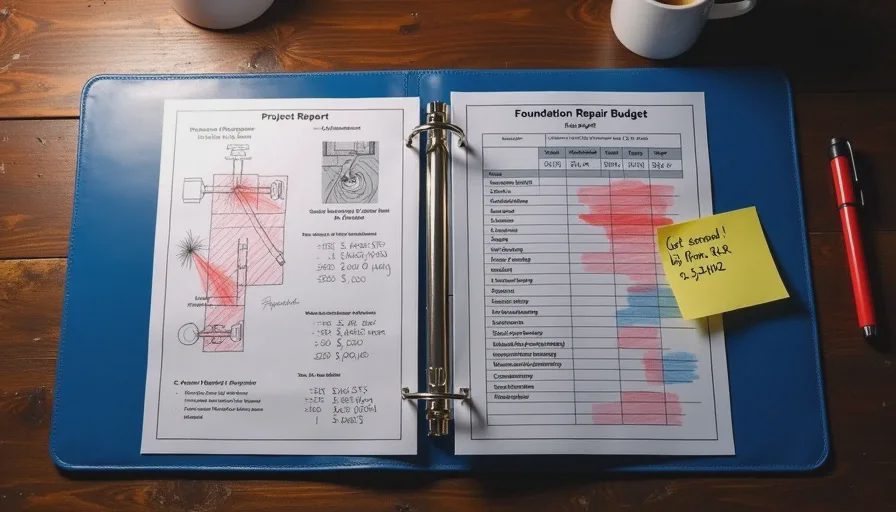
Here's what the project cost, line by line:
Line Item | Cost |
|---|---|
Structural engineer inspection | $850 |
Design and stamped plans | $1,200 |
Permit and inspections | $600 |
Excavation (exterior, 8ft section) | $3,200 |
Steel I-beam installation (interior) | $2,800 |
Damaged wall replacement (8ft section) | $4,100 |
Epoxy crack injection | $1,200 |
Drainage system installation | $2,400 |
Backfill and grading | $1,800 |
Waterproofing membrane | $1,300 |
Disposal and cleanup | $900 |
Subtotal | $20,350 |
Contingency (15%) | $3,052 |
Total | $23,402 |
What We Could Have Saved
The previous owner could have fixed this crack when it was small. The crack was about 1/16 inch wide when they first saw it.
A small crack repair costs:
Epoxy injection: $800
Engineer assessment: $500
Minor grading improvement: $1,200
Total: $2,500
They waited eight years. The crack grew. The wall bowed. And the repair cost went from $2,500 to $23,400.
That's a $20,900 difference.
The Process
Here's what the repair process actually looked like:
Week 1: Engineer assessment. We scheduled the design work and applied for the permit.
Week 2: Excavation team arrived. They dug down about 8 feet on the exterior of the back wall. That's a bigger hole than you'd think. They uncovered the crack.
Week 3: The wall was replaced. The damaged section was cut out. New concrete was poured with rebar reinforcement. A waterproofing membrane was applied.
Week 4: Interior steel beams were installed. These were bolted to the existing floor and ceiling, providing lateral support to the wall.
Week 5: The exterior was backfilled. Drainage was installed. The grading was corrected so water flows away from the house.
Week 6: Final inspections. The building department signed off. The project was done.
What the Engineer Told Me That Changed Everything
During the assessment, the structural engineer said something I've never forgotten. He said, "Foundation cracks are like credit card debt. They don't go away. They just get more expensive the longer you ignore them."
He was right. Every year you wait, the repair costs more. The crack gets wider. The wall bows more. The damage spreads. And the fix goes from a weekend project to a month-long excavation.
He also told me that most homeowners wait three to five years before addressing a foundation crack. They see it. They worry about it. They hope it's nothing. And then they finally call someone.
By then, it's usually doubled in cost.
The Hidden Costs We Didn't Expect
There were a few things that added to the budget that I hadn't planned for:
Landscaping repair. The excavation tore up a section of the backyard. We had to regrade, reseed, and replant. That was an extra $800 we hadn't budgeted.
Temporary relocation. During week three, the basement was inaccessible. We had to move boxes and storage to the garage. That was just labor, but it was time we hadn't accounted for.
Permit delays. The city took two weeks to approve the permit instead of the standard one week. That pushed the timeline. The contractor charged a small fee for the delay.
These weren't huge costs. But they added up to about $1,500. And they taught me that the budget on the paper is never the whole story.
What I'd Do Differently
If I had to do this project again, here's what I'd change:
I'd have addressed it sooner. We waited six months from the inspection to the start of work. That was a mistake. The crack got wider. The wall bowed more. And the cost went up.
I'd have budgeted 20% contingency instead of 15%. Foundation work has too many unknowns. I was optimistic. I should have been pessimistic.
I'd have interviewed three contractors instead of two. We got two bids. One was $18,000, one was $23,400. We went with the higher one because they had more experience with split-level foundations. I'm glad we did. But I wish we'd had a third data point.
I'd have communicated better with the neighbors. The excavation was loud. The dump trucks blocked the alley. I should have warned the neighbors beforehand. Instead, I apologized after.
The Lesson
Foundation problems don't get better on their own. They get worse. And waiting costs you money.
If you see a foundation crack, do something about it. Call an engineer. Get an assessment. If the repair costs $2,500, that's a lot less than $23,000.

No comments yet — be the first to share a thought.