If you're buying an old house, the electrical system is either going to be fine or it's going to be your biggest expense.
There's not much in between.
I've walked through houses where the electrical was updated in the 1980s and is perfectly functional. I've walked through houses where the electrical hasn't been touched since the 1940s and is a fire hazard waiting to happen.
Here's how to tell the difference. Here's what it costs to fix. And here's what you absolutely need to know before you buy.
The Three Eras of Old-House Electrical
Era 1: Knob-and-Tube (Pre-1950)
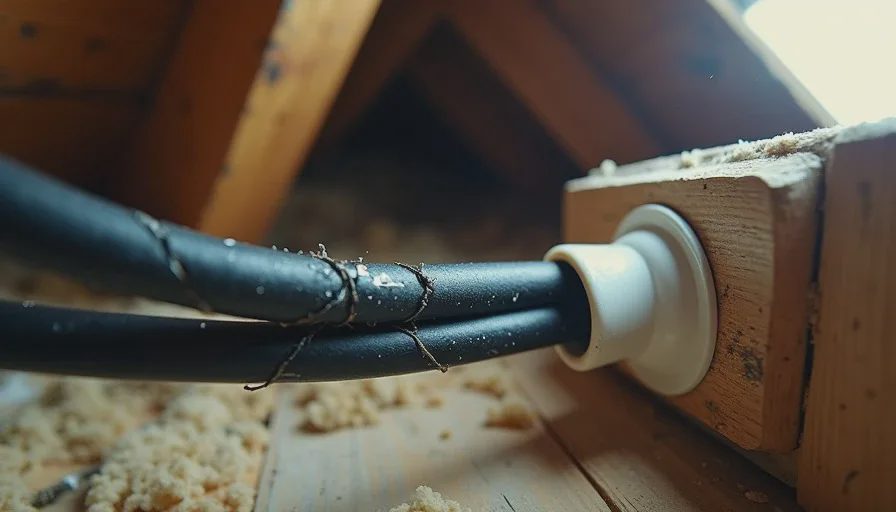
Knob-and-tube wiring is what it sounds like: individual copper wires strung through porcelain knobs and tubes. It was the standard in houses built before 1950.
What it looks like: Black cloth-insulated wires. Ceramic knobs on joists. Wires running through ceramic tubes where they pass through framing.
The problems:
No ground wire. Knob-and-tube has a hot wire and a neutral wire—no ground. That means no safety ground for modern appliances.
Insulation degrades. The cloth insulation was designed for a 40-year lifespan. We're at 80-plus years now. It cracks. It falls off. Wires touch.
Overloaded circuits. Knob-and-tube was designed for lights and a few outlets. Not microwaves, not hair dryers, not air conditioners.
It's a fire risk. The combination of degraded insulation, overloaded circuits, and no grounding is genuinely dangerous.
The fix: Full rewire. Budget $10,000 to $18,000 for a 1,800-square-foot house.
The catch: Many insurance companies will not write a policy on a house with knob-and-tube wiring. Some will, but they'll charge a premium.
Era 2: Aluminum Wiring (Mid-1960s to 1970s)
Aluminum wiring was used extensively in the 1960s and 1970s because copper was expensive. It's estimated that about 2 million homes in the US have aluminum wiring.
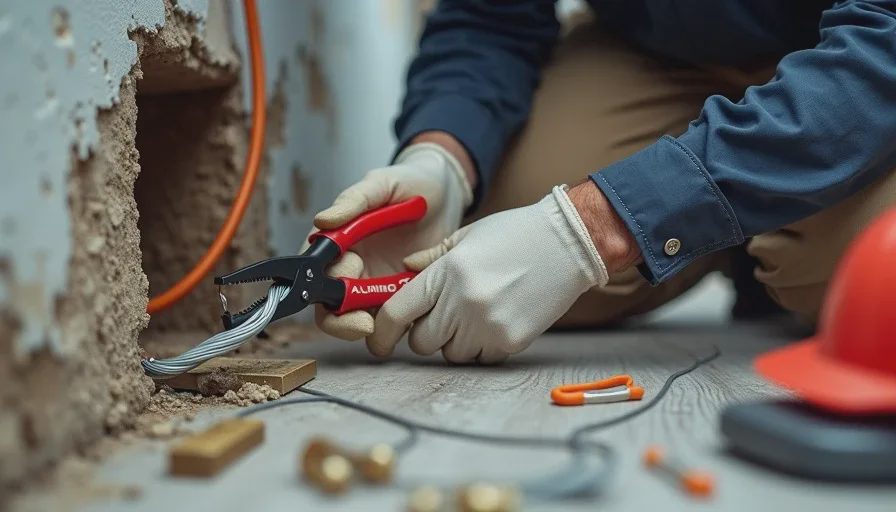
What it looks like: The wire itself is silver or light gray, not copper-colored. The insulation is usually white, black, or blue. Look for "AL" or "ALUMINUM" stamped on the cable jacket.
The problems:
Aluminum expands and contracts more than copper when heated. Over time, that loosens connections.
Loose connections cause arcing. Arcing causes fires.
The metal reacts with some types of connectors, causing corrosion.
Aluminum wiring isn't inherently dangerous—but improper connections are.
The fix: You don't necessarily need a full rewire. The standard fix is a connector called a COPALUM or AlumiConn. These create a safe connection between aluminum and copper.
The cost: $50 to $100 per outlet/switch. For a whole house, $2,000 to $6,000.
The catch: Some insurance companies require full rewiring or certified remediation. Check with your insurer before you buy.
Era 3: Copper (1980s and Later)
Copper wiring is what you want. It's the standard. It's safe. It can handle modern loads.
What it looks like: Copper-colored wire (sometimes called "Romex"). The cable jacket is usually white, yellow, or orange depending on wire gauge.
The problems: Usually none, unless it was installed poorly. Check for amateur work—splices outside junction boxes, exposed wires, that kind of thing.
The fix: Usually nothing. If you're doing a renovation, you may need to add circuits. But the existing wiring is likely fine.
How to Check the Panel
The panel tells you a lot about the house's electrical history:
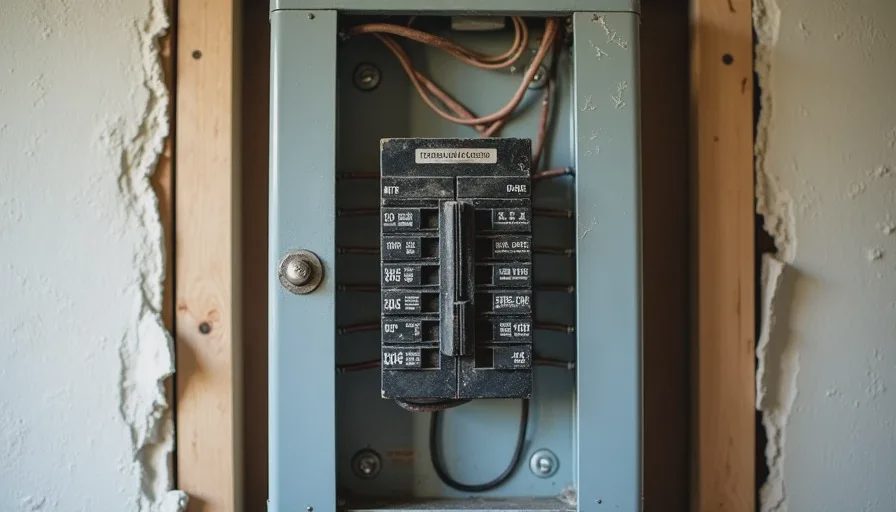
Federal Pacific and Zinsco panels: Replace immediately. These panels have known safety issues and have been linked to fires. Budget $2,500 to $4,000.
Pushmatic panels: Old and outdated. Replace if you're doing major work. Budget $2,500 to $3,500.
Square D, GE, Siemens, Eaton: These are reputable brands. If the panel is in good condition, you may not need to replace it.
Panel amperage: 100 amps is the minimum for a modern house. 200 amps is preferred. If you have 60 amps, you need to upgrade.
When You Need to Rewire
Here are the signs that you need a full rewire:
You have knob-and-tube. Full stop. This needs to be replaced.
Your lights dim when appliances turn on. That means the system is overloaded or the wiring is undersized.
Your breakers trip frequently. That's a sign of overload or a short somewhere.
You smell burning plastic. Shut off the power and call an electrician immediately. This is a fire hazard.
The insulation is cracked or falling off. You can see this in the panel or in exposed wiring in the attic.
The 2026 Cost Breakdown
Here's what electrical work costs in the Pasadena market:
Service | Typical Cost |
|---|---|
Panel upgrade (100 to 200 amp) | $3,500 - $5,500 |
Full rewire (1,800 sq ft) | $10,000 - $18,000 |
Aluminum pigtail remediation (per outlet) | $50 - $100 |
New circuit (kitchen, bathroom, garage) | $800 - $1,200 |
EV charger circuit | $1,200 - $2,000 |
Knob-and-tube removal and replacement | $12,000 - $20,000 |
The Bottom Line
If you're buying an old house, budget for electrical work. Even if the house is fine, you'll want to add circuits for modern appliances.
Get a licensed electrician to inspect the house before you buy. Not a home inspector—an electrician. They'll tell you exactly what you're dealing with.
And if the house has knob-and-tube or aluminum wiring, don't walk away—but factor the cost into your offer.

No comments yet — be the first to share a thought.