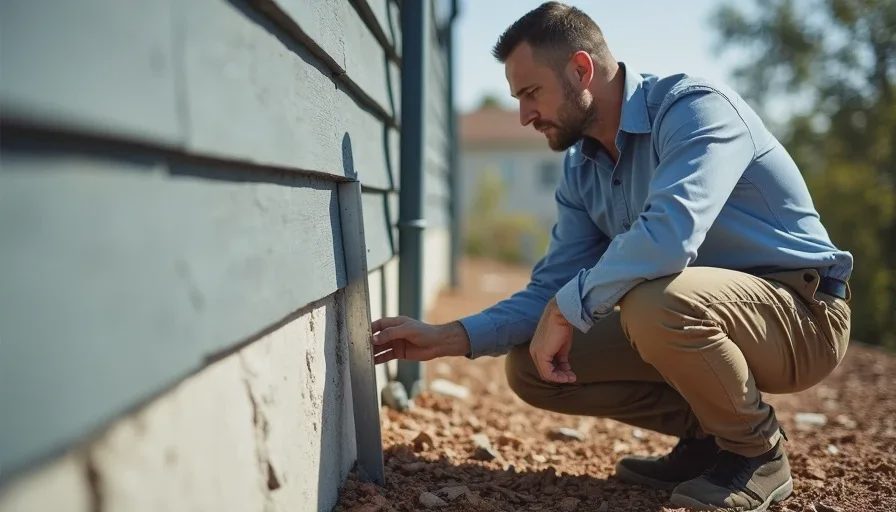
Foundation cracks terrify home buyers. I get it. When you see a crack in the foundation, your brain goes straight to "the house is falling down."
Most of the time, it's not.
I've looked at hundreds of foundations. I've seen cracks that were nothing and cracks that were $25,000 repairs. Here's how to tell the difference.
The Good News
Most foundation cracks are cosmetic. They're shrinkage cracks from when the concrete cured. They're settlement cracks from the house settling into the soil over time.
These cracks are common. They're normal. And they're rarely a structural concern.
The trick is knowing which cracks are cosmetic and which are not.
The Five Cracks That Usually Don't Matter
1. Hairline Vertical Cracks
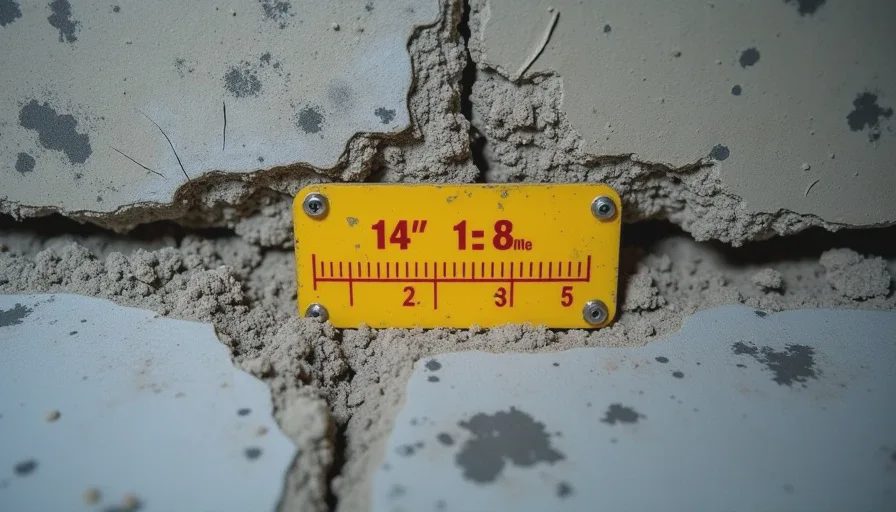
What they look like: Very thin cracks, less than 1/16 inch wide. They run straight up and down. They're usually in the center of a foundation wall, not at the corners.
What causes them: Concrete shrinkage during curing. Every concrete foundation gets them. They're the concrete equivalent of stretch marks.
When to worry: If they get wider over time. Check them once a year. If they stay the same, ignore them.
2. Small Diagonal Cracks at Corners
What they look like: Short diagonal cracks at the corners of windows or doors. They're usually less than 1/8 inch wide.
What causes them: Minor settlement. The house moves a little, and the foundation corners crack.
When to worry: If the crack is wider at the top than the bottom, and it's growing, that's a sign of active settlement. If it's stable, it's fine.
3. Step Cracks in Brick or Block
What they look like: Cracks that follow the mortar joints in a brick or block foundation, creating a "stair step" pattern.
What causes them: Minor settlement. The blocks shift slightly.
When to worry: If the crack is wide (more than 1/4 inch), if it's accompanied by bowing, or if it's growing. Otherwise, it's usually fine.
4. Surface Cracks in Slabs
What they look like: Spiderweb patterns on the surface of a concrete slab floor.
What causes them: The surface dried faster than the deeper concrete. This happens all the time.
When to worry: These are almost never structural. They're ugly but harmless.
5. Cracks in Stucco or Plaster
What they look like: Cracks in the exterior stucco or interior plaster, usually near windows or doors.
What causes them: Minor movement in the framing. Stucco is brittle. Plaster is brittle. They crack.
When to worry: If the crack exposes rot or water damage, that's a different problem. But the crack itself? Cosmetic.
The Three Cracks That Mean Trouble
These are the ones that should make you pick up the phone and call a structural engineer.
1. Horizontal Cracks
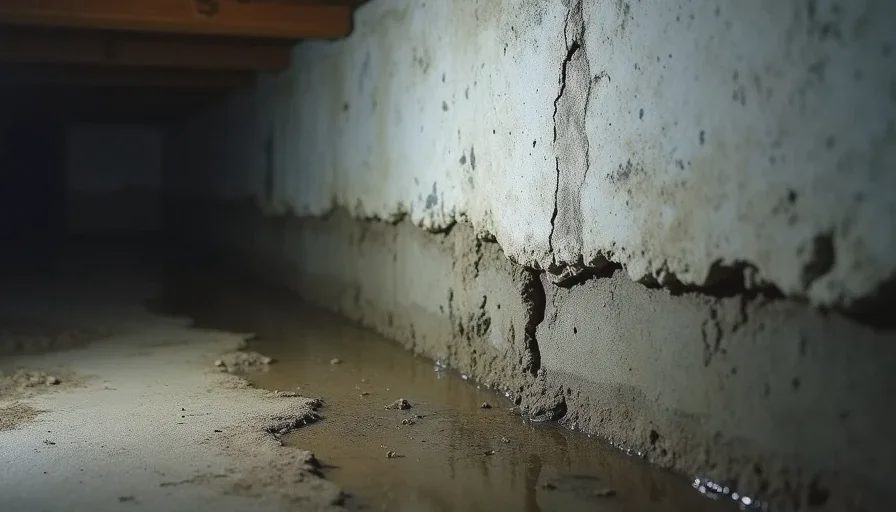
What they look like: Cracks that run horizontally along the foundation wall. They're usually at or below grade.
What causes them: Lateral pressure from soil against the foundation wall. The soil is pushing in, and the wall is cracking.
Why it's serious: This is a sign that the foundation wall is failing under pressure. It's bowing inward. If the pressure continues, the wall will collapse.
The fix: The wall needs to be braced or replaced. Costs range from $5,000 to $15,000 depending on the extent of the damage. In some cases, you'll need excavation and a new wall.
2. Wide Vertical or Diagonal Cracks
What they look like: Vertical or diagonal cracks wider than 1/4 inch. Especially if the crack is wider at the top than the bottom.
What causes them: Settlement. But not minor settlement—significant settlement. The soil under one part of the foundation is sinking.
Why it's serious: It means the foundation is moving. If it continues, the house will become unlevel. Doors won't close. Floors will slope. And eventually, the framing will start to fail.
The fix: Usually involves underpinning—installing piers or pilings to stabilize the foundation. Costs range from $10,000 to $25,000.
3. Cracks Accompanied by Bowing
What they look like: The wall is visibly bowed inward. The crack runs along the bow. You can see the bow with your eye—it's not subtle.
What causes them: Heavy lateral pressure. The wall is being pushed in and can't resist.
Why it's serious: The wall is actively failing. This is an emergency. You need to address it before the wall collapses.
The fix: Structural bracing or wall replacement. Costs start at $10,000 and can go much higher.
How to Monitor Cracks
Here's what I tell my clients to do:
Mark the crack. Place a piece of tape across the crack. Write the date on the tape.
Measure it. Measure the width of the crack with a ruler or calipers. Write down the measurement.
Check it monthly. If the tape is broken or the measurement has increased, you have active movement.
Call a structural engineer. If you see movement, don't wait. Call an engineer for an assessment.
The Bottom Line
Most foundation cracks are not a reason to panic. But some are a reason to act quickly.
Here's a simple rule: if the crack is horizontal, if it's wider than 1/4 inch, or if the wall is bowing, call an engineer. Everything else is probably fine.

No comments yet — be the first to share a thought.