I've walked through over 400 old houses with potential buyers. I've seen people fall in love with original crown molding and miss the foundation crack that would cost them $25,000. I've watched couples argue about paint colors while standing on a subfloor that was rotting beneath their feet.
Here's the thing about buying an old house: the emotional part is going to happen. You're going to fall in love with something. The oak floors. The built-in hutch. The front porch that looks like it belongs on a postcard.
That's fine. But you need to do your homework before you write that offer.
The 20-Point Checklist
This is the checklist I use with every client. It's the same one I used on my own three houses. I pull it out on every showing, and I don't leave until I've checked every single item.
Foundation and Structure
Walk the perimeter. Look for cracks in the foundation. Vertical hairline cracks are common and often harmless. Horizontal cracks or stair-step cracks in brick or block foundations are trouble. If you see those, call a structural engineer before you do anything else.
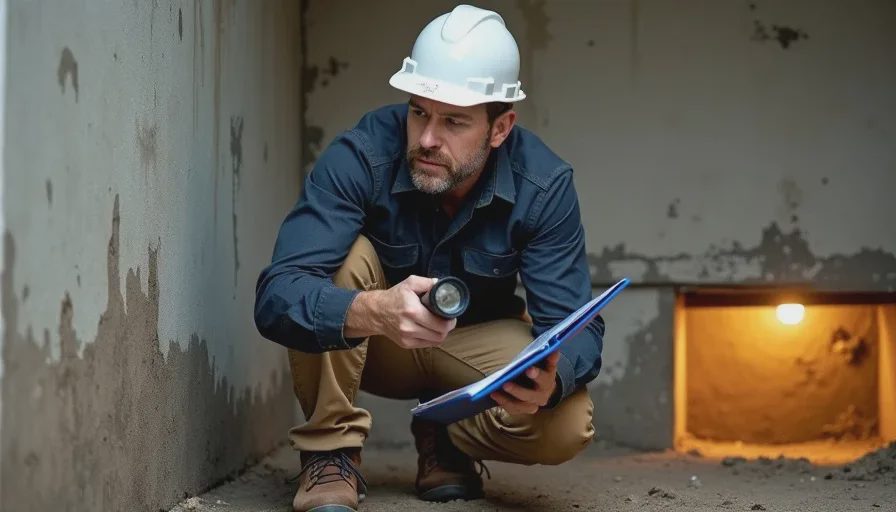
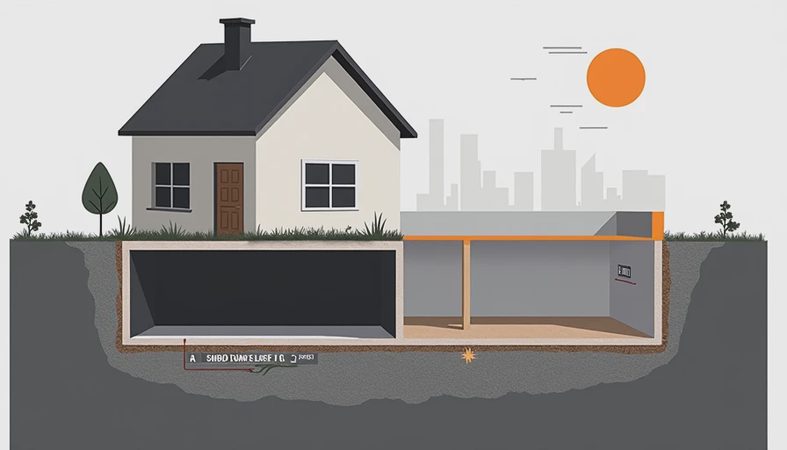
Check the crawlspace or basement. Bring a flashlight and a screwdriver. Poke at the floor joists where they meet the foundation. If the screwdriver sinks in more than a quarter inch, you have rot. Walk away or budget for a full structural evaluation.
Look at the grading outside. Water is the enemy of old houses. If the ground slopes toward the house, you're going to have water problems. Period. Check the downspouts—where do they drain? If they're dumping water against the foundation, that's a fix you'll need to make immediately.
Check the main beam. In houses built before 1960, the main support beam is often a single piece of timber that's been carrying the load for decades. Look for bowing, cracking, or signs of previous repairs. A sagging beam means a sagging floor above it.
Roof and Exterior
Look at the roof from the ground. Are there missing shingles? Wavy spots? Moss growing? A roof replacement on a 2,000-square-foot house in Southern California runs $12,000 to $18,000. That's a serious line item.
Check the soffits and fascia. These are the boards under the roof overhang. If they're rotting, it means water isn't draining properly. It also means you might have gutter issues.
Inspect the windows. Original wood windows are beautiful. They're also expensive to restore. Push on the bottom sash—does it move freely? Look for rotted wood around the sills. Feel for air leaks. If every window needs restoration, budget $600 to $1,200 per window.
Systems
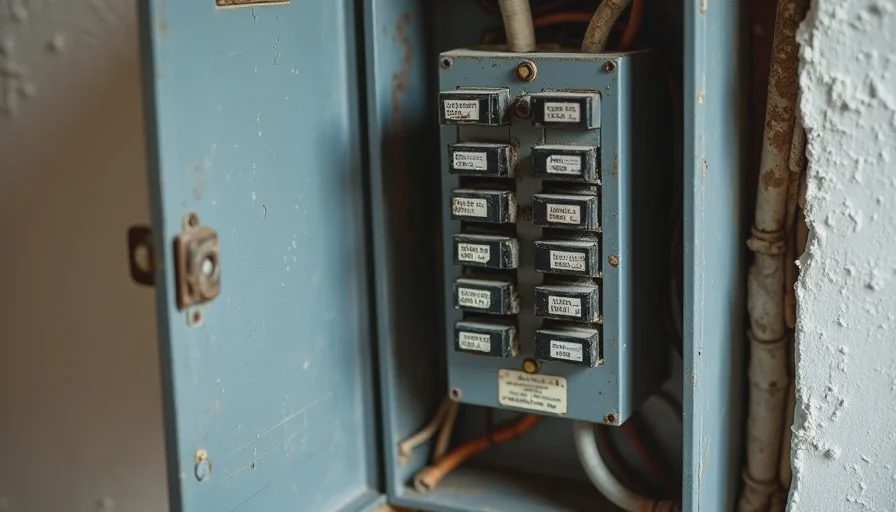
Electrical panel. What kind of panel is it? Federal Pacific or Zinsco panels have known safety issues—they need to be replaced. Budget $2,500 to $4,000 if you see one.
Wiring. Look for cloth-insulated wiring, knob-and-tube, or aluminum wiring. Knob-and-tube needs full replacement for insurance and safety reasons. Aluminum wiring needs remediation. Both are expensive. A full rewire on a 1,800-square-foot house runs $10,000 to $18,000.
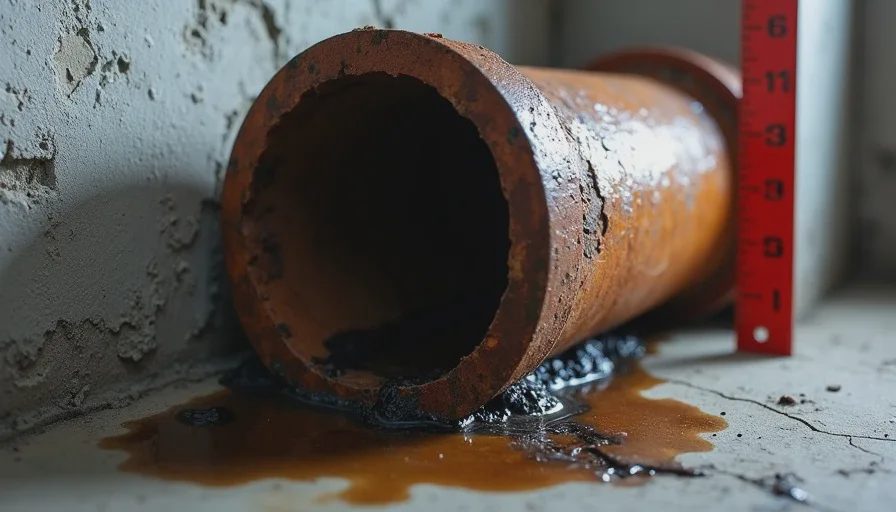
Plumbing. Check the visible pipes. Galvanized steel pipes from the 1950s and earlier are near the end of their life. Cast iron drains crack and corrode. If you see either, budget accordingly. Repiping a house runs $6,000 to $12,000.
HVAC. How old is the furnace or AC unit? Units older than 15 years are operating at 60% to 70% efficiency. Replacement runs $8,000 to $14,000. Check for ductwork—is it rigid metal or flex duct? Flex duct in attics gets chewed by rodents.
Interior Red Flags
Floor slopes. Drop a marble on the floor. If it rolls, you have a sag somewhere. It could be minor, or it could indicate foundation issues.
Wall cracks. Cracks that run diagonally from windows or doors suggest settlement. Cracks that are wider at the top than the bottom are settling. Cracks that are wide and continue to grow are active movement.
Popcorn ceilings. If the house was built before 1979, that popcorn texture likely contains asbestos. Testing costs $50 to $100. Asbestos abatement runs $3 to $7 per square foot.
Mold or mildew. Visible mold in bathrooms or basements is a problem. But the bigger concern is hidden mold behind walls. If you smell mustiness, you have moisture somewhere.
Termite damage. Look for mud tubes on foundation walls, hollow-sounding wood, or frass (termite droppings). A termite inspection costs $100 and is worth every penny.
Outside the House
Driveway and walkways. Cracks are normal. Large offsets or sinkholes suggest subgrade issues.
Trees. Large trees within 10 feet of the house are problematic. Roots can damage foundations and sewer lines. A sewer line replacement runs $4,000 to $12,000.
Sewer line. Get a sewer scope. This is non-negotiable. A collapsed sewer line under the slab is a $15,000 to $20,000 repair. Pay the $200 for the scope.
Neighborhood drainage. Where does the water go when it rains? If the street slopes toward the house, you're fighting a constant battle against water.
What to Do With This Checklist
Take this list to every showing. Go through it methodically. Don't rush. And don't fall in love so hard that you ignore the red flags.
I've done that myself. I bought a house that had a cracked foundation because I loved the woodwork. I fixed the foundation. It cost me $14,000. That was a lesson I already paid for.
The Inspector's Role
A home inspector is not a structural engineer. They're generalists. They'll find obvious issues. They'll write a report. But they won't give you the level of detail you need to make a smart decision.
When you find something concerning on this checklist, call a specialist. A structural engineer. A plumber. An electrician. Pay them to give you a real assessment. That $500 you spend upfront could save you $20,000 later.

No comments yet — be the first to share a thought.